The History of Mashed Potatoes and Casseroles 2025
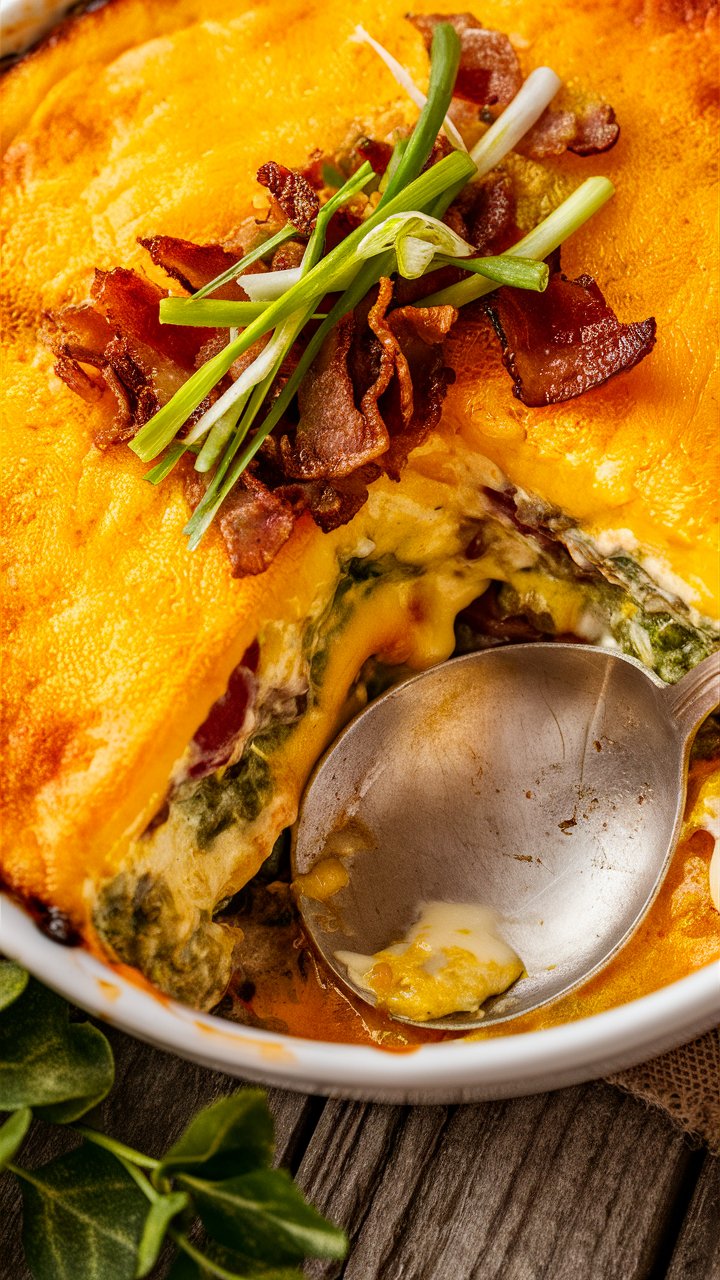
Mashed potatoes have long held a special place in kitchens around the world. Soft, creamy, and versatile, they are the quintessential comfort food, evoking warmth, nostalgia, and indulgence with every bite. While classic mashed potatoes are delightful on their own, turning them into a loaded mashed potato casserole takes this humble dish to the next level.
By combining creamy potatoes with melted cheese, crispy bacon, tangy sour cream, and a hint of fresh herbs, this casserole is a show-stopping side dish that pleases both family and guests. Perfect for holidays, potlucks, or even cozy weeknight dinners, the loaded mashed potato casserole is more than just a dish—it’s an experience of comfort, flavor, and satisfaction.
In this article, we will explore every aspect of this recipe: the ingredients, preparation steps, tips for perfection, variations, nutritional insights, storage, and serving suggestions. By the end, you’ll not only know how to make this delectable casserole but also understand why it’s one of the most beloved comfort foods.
The History of Mashed Potatoes and Casseroles
Mashed potatoes have a rich history that spans continents. Originating in Europe, the potato itself became a staple after its introduction from the Americas in the 16th century. Early mashed potatoes were often prepared with milk and butter, providing a creamy consistency that delighted families across the continent.
The idea of baking mashed potatoes into a casserole likely arose in America, where the casserole format allowed for easy feeding of large gatherings. Adding ingredients like cheese, bacon, and sour cream became popular in the mid-20th century, giving rise to the “loaded” versions we enjoy today. This culinary evolution reflects the American penchant for indulgent, hearty, and shareable dishes that cater to both taste and convenience.
By understanding the roots of mashed potatoes and casseroles, we can better appreciate how a loaded mashed potato casserole became a symbol of comfort and celebration in modern cuisine.
Why You’ll Love This Loaded Mashed Potato Casserole
This casserole is irresistible for several reasons:
- Creamy and Fluffy Texture: Properly cooked and mashed potatoes create a silky, airy base.
- Flavorful Ingredients: Butter, sour cream, cheese, and bacon provide layers of savory richness.
- Versatility: This dish can be adapted to suit dietary preferences, from vegetarian to gluten-free options.
- Crowd-Pleaser: Whether for holidays, potlucks, or family dinners, it’s universally loved.
- Make-Ahead Friendly: Assemble in advance and bake when ready, saving time on busy days.
In essence, this dish combines the best qualities of comfort food: warmth, indulgence, and ease of preparation.
Ingredients You’ll Need
To make the perfect loaded mashed potato casserole, select high-quality ingredients for optimal flavor:
- Russet Potatoes (2½ lbs): High in starch, these potatoes yield a fluffy, smooth mash. Yukon Gold can also be used for a slightly buttery flavor.
- Whole Milk (¾ cup): Adds moisture and richness. Warmed before mixing ensures smooth integration.
- Unsalted Butter (8 Tbsp): Provides a creamy, luxurious texture.
- Sour Cream (¼ cup): Adds tanginess and lightens the overall richness.
- Colby Jack Cheese (8 oz, shredded): Mild and melts beautifully; cheddar or Monterey Jack are also excellent alternatives.
- Bacon (8 oz, chopped): Cooked crispy for a savory, crunchy topping. Turkey bacon or pancetta can be substituted.
- Green Onions or Chives (for garnish): Adds freshness and a pop of color.
- Salt (1 tsp for boiling potatoes + additional to taste): Enhances natural potato flavors.
- Optional Seasonings: Garlic, paprika, or red pepper flakes for added depth.
Selecting fresh, high-quality ingredients is key to achieving a casserole that is rich, flavorful, and satisfying.
Step-by-Step Instructions
Step 1: Preparing the Potatoes
- Preheat your oven to 375°F (190°C).
- Peel and cube 2½ pounds of russet potatoes into even pieces. Uniform size ensures even cooking.
- Place potatoes in a large pot, cover with water, and add 1 tsp salt.
- Bring to a boil, then reduce to medium heat. Cook until fork-tender, approximately 15–20 minutes.
- Drain thoroughly to remove excess water, which can dilute the creaminess of your casserole.
Pro Tip: Overcooked potatoes can become waterlogged, while undercooked potatoes result in lumps. Timing and even cutting are crucial.
Step 2: Making the Creamy Base
- In a small saucepan, combine ¾ cup milk and 8 Tbsp butter. Heat gently over low heat until the butter melts completely.
- Remove from heat and stir in ¼ cup sour cream until smooth.
This warm mixture will integrate seamlessly with the potatoes, creating a creamy and luscious base.
Step 3: Mashing the Potatoes
- Mash the drained potatoes using a hand masher, potato ricer, or electric mixer.
- Gradually add the warm milk-butter-sour cream mixture while mashing.
- Beat or mash until the potatoes are light, fluffy, and free of lumps.
Pro Tip: Avoid overmixing with an electric mixer, which can make potatoes gluey. Gentle folding keeps them airy.
Step 4: Adding Bacon and Cheese
- Cook the chopped bacon in a skillet over medium heat until crisp. Drain on paper towels.
- Spread the mashed potatoes evenly in a greased baking dish.
- Sprinkle cooked bacon evenly over the top, followed by 8 oz shredded Colby Jack cheese.
Pro Tip: Freshly shredded cheese melts better than pre-shredded, providing a gooey, luscious topping.
Step 5: Baking the Casserole
- Cover the casserole with aluminum foil and bake at 375°F for 25 minutes.
- Remove foil and bake for an additional 10 minutes, or until the cheese is bubbly and lightly golden.
Pro Tip: The bubbling cheese signals readiness, but avoid overbaking to maintain creamy potatoes underneath.
Step 6: Garnishing
- Sprinkle chopped green onions or chives on top for color and freshness.
- Optionally, add a pinch of paprika or cracked black pepper for extra flavor.
Pro Tips for a Perfect Casserole
- Make-Ahead Friendly: Assemble the casserole a day in advance and refrigerate. Bake when ready to serve.
- Cheese Alternatives: Use cheddar, mozzarella, or a mix for varied flavor.
- Vegetarian Option: Omit bacon and substitute with sautéed mushrooms or roasted vegetables.
- Avoid Watery Potatoes: Drain thoroughly and mash immediately while warm.
- Enhance Flavor: Mix in roasted garlic or caramelized onions for extra depth.
Variations and Customizations
- Cheese Variations: Cheddar for sharpness, mozzarella for creaminess, or a mix for richness.
- Spicy Version: Add chopped jalapeños or red pepper flakes.
- Extra Creamy: Fold in cream cheese or Greek yogurt.
- Herb Enhancements: Fresh rosemary, thyme, or parsley can elevate flavor.
- Topping Changes: Use breadcrumbs or crushed crackers for a crunchy crust.
These variations allow you to tailor the casserole to your taste and occasion.
Serving Suggestions
- Roasted Meats: Turkey, chicken, or pork pair perfectly with creamy potatoes.
- Grilled Meats: Steak or chops complement the indulgent flavors.
- Vegetables: Roasted Brussels sprouts, green beans, or a fresh salad balance the richness.
- Sauces: Mushroom gravy, pan sauces, or even a simple butter drizzle enhance the dish.
Presentation Tip: Serve in a shallow, attractive baking dish and garnish with fresh herbs for a professional look.
Nutritional Information (Approximate per serving)
- Calories: 350–400 kcal
- Protein: 12 g
- Carbohydrates: 30 g
- Fat: 22 g
- Fiber: 3 g
Health Tip: For a lighter version, use reduced-fat cheese, substitute Greek yogurt for sour cream, or reduce butter.
Storage and Reheating
- Fridge: Store in an airtight container for up to 4 days.
- Freezer: Freeze the casserole (without toppings) for up to 1 month.
- Reheating: Bake at 350°F until warmed through or microwave individual portions.
Pro Tip: If reheating from frozen, thaw overnight in the fridge for best results.
Frequently Asked Questions
Q: Can I use Yukon Gold potatoes?
A: Yes, they add a buttery flavor and creamy texture.
Q: Can I make this vegetarian?
A: Absolutely. Replace bacon with roasted vegetables, mushrooms, or skip entirely.
Q: Is it gluten-free?
A: Yes, all ingredients are naturally gluten-free. Check labels on cheese and bacon.
Q: Can I double the recipe?
A: Yes, double all ingredients and bake in two dishes or a larger roasting pan.
Conclusion
The Loaded Mashed Potato Casserole is the ultimate comfort food, combining the creamy richness of mashed potatoes with the indulgent flavors of cheese, bacon, and sour cream. Its versatility, ease of preparation, and crowd-pleasing nature make it a must-have recipe for any occasion.
Whether you are hosting a holiday feast, attending a potluck, or simply craving a cozy, satisfying side dish, this casserole delivers flavor, texture, and warmth in every bite. With simple steps, professional tips, and customizable options, you now have the knowledge to create a dish that will be remembered and requested time and again.
Indulge in this comforting masterpiece, and elevate your mashed potato game to new heights!