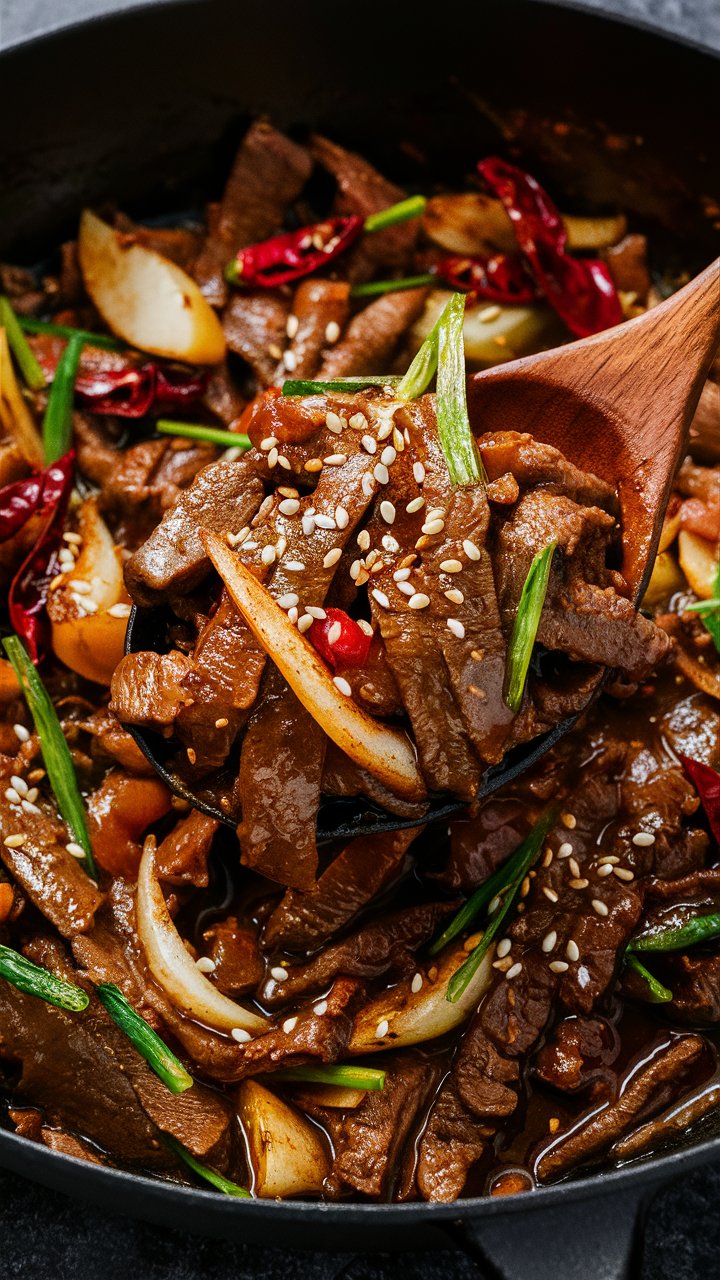
The Best Slow Cooker Mongolian Flank Steak for Busy Home Cooks 2025
When you’re craving a comforting, saucy dinner that tastes like you ordered takeout—but made in your own kitchen—Slow Cooker Mongolian Flank Steak delivers in spades. This recipe combines tender beef, a luscious soy-garlic sauce, a hint of sweet, a touch of spice, and hours of gentle cooking to melt the meat into rich, flavorful perfection. It’s ideal for busy weeknights, for hosting, or for when you want something satisfying without standing by the stove.
In this article, I’ll walk you through everything: why this recipe works, how to choose and treat your flank steak, how to optimize flavor and texture, how to make it your own (dietary changes, variations), and even the best ways to serve, store, and reheat. By the end, you’ll have all the tools to deliver a Mongolian beef dish that’s as good or better than many restaurant versions—and fully Instagram-worthy.
Why This Recipe Works So Well
Here are the reasons this Slow Cooker Mongolian Flank Steak recipe rises above many similar recipes:
- Low Effort, High Reward
Once you prep and combine the sauce and beef, most of the work is done. The slow cooker gently does the rest—infusing flavor, tenderizing meat, and creating a sauce that’s deeply rich. - Tender Meat, Full Flavor
Flank steak is lean and has great beefy flavor. Slow cooking transforms it from a cut that might be tough if rushed, into something melt-in-your-mouth tender. You get both texture and taste. - Balanced Sauce Profile
The sweet, salty, garlicky, and slightly spicy tones are classic Mongolian style. When done right, you get gloss, aroma, and depth without being overwhelming. - Adaptability
You can tweak this recipe easily—lower sugar, swap in different beef cuts, or add vegetables. It holds up well to changes while still delivering a satisfying meal. - Leftover-Friendly
This style of dish stores well. The flavors often get even better resting overnight, so you can make ahead or enjoy the next day.
Key Ingredients & Their Roles
To make this recipe shine, each ingredient plays a part. Understanding why you’re using what helps you adjust confidently.
| Ingredient | Function / Flavor Contribution | Common Substitutes / Techniques |
|---|---|---|
| Flank Steak | Lean, beefy flavor; takes on sauce well; becomes tender with slow, moist heat. | Skirt steak, sirloin flap, or thinly sliced chuck roast can work. If deeply marbling is desired, choose a cut with some fat. |
| Cornstarch | Aids in thickening the sauce; helps it cling to the meat; gives a glossy texture. | You can use potato starch or arrowroot for similar thickening. Alternatively, use less cornstarch and thicken with a final slurry. |
| Soy Sauce (preferably low-sodium) | Provides salty, umami backbone; balances sweet and spicy elements. Also contributes color. | Tamari or coconut aminos for gluten-free or those avoiding soy. |
| Brown Sugar | Adds sweetness to balance soy/umami; helps with caramelization; gives that signature sweet glaze. | Dark brown sugar gives more molasses flavor; coconut sugar or maple syrup can be used in adaptations. |
| Sesame Oil | Adds nutty aroma; enhances richness. | Toasted sesame oil is stronger; if using regular, maybe combine with a neutral oil. |
| Onion | Adds aromatic depth; softens and blends into sauce; develops sweetness. | Shallots or leeks can be substitutes. Red or yellow onion both work. |
| Garlic & Ginger | Provide sharpness, heat, fragrance; make sauce more vibrant. | Fresh is best; powdered works if that’s what you have. Consider garlic paste or grated fresh garlic. |
| Red Pepper Flakes / Chili Heat | Gives a slight kick; contrast to sweet and savory. | Replace or adjust with chili paste, fresh chilies, or omit for mild version. |
Equipment You’ll Need
- A slow cooker / crockpot (6-quart size is common; adjust cooking time if smaller or larger).
- Sharp knife and cutting board.
- Mixing bowl for the sauce.
- Measuring cups and spoons.
- Optional: skillet to sear meat beforehand (if you want more flavor depth).
- Rice cooker or pot if serving with rice; noodle pot if serving with noodles.
Step-by-Step Cooking Instructions
Here is a detailed, optimized version of the recipe, emphasizing texture, flavor, and process.
Ingredients (For ~4 servings)
- 1.5 pounds (≈ 700 g) flank steak
- 2 tablespoons cornstarch, plus extra if needed for a later slurry
- 2 tablespoons toasted sesame oil
- 3–4 cloves garlic, minced (or ½ teaspoon garlic powder if fresh not available)
- 1 tablespoon fresh ginger, grated (optional but highly recommended)
- ½ cup (≈120 ml) soy sauce (or low-sodium soy sauce)
- ¾ cup (≈150 g) brown sugar (adjust sweetness as desired)
- 1 medium onion, diced
- ¼ teaspoon red pepper flakes, plus more if you like more heat
- ½ teaspoon black pepper
- Optional: 1 tablespoon rice vinegar or hoisin sauce, for complexity
Method
- Prep the Steak
Trim any large strips of connective tissue or excess fat. If you like, cut the steak into thick strips (≈ ½-inch) to allow more surface area for the sauce. Slicing before cooking speeds flavor absorption, though cooking whole then slicing is also okay. - Optional Sear (Flavor Enhancer Step)
Heat a skillet over medium-high heat, add a small amount of oil, sear both sides of the steak for 1-2 minutes each. This adds caramelization and enhances the final flavors. Then transfer to slow cooker. - Make the Sauce
In a mixing bowl, whisk together: cornstarch, sesame oil, minced garlic (or garlic powder), grated ginger (if using), soy sauce, brown sugar, diced onion, red pepper flakes, and black pepper. If using rice vinegar or hoisin, stir in at this stage. - Combine Meat and Sauce
Place steak (seared or un-seared) in the slow cooker. Pour the sauce mixture over so all pieces are well-coated. If pieces are overlapping, flip them partway through cooking (optional but helps even cooking). - Slow Cook
- On LOW: 6–8 hours, for tender, shreddable texture.
- On HIGH: 3–4 hours, for firm slices that still absorb sauce.
Check at the lower end of the time (especially on HIGH) to prevent overcooking.
- Finalize & Adjust Thickness
Once beef is tender, remove steak and slice against the grain (if you cooked whole). Return sliced or shredded meat to the sauce. If sauce needs thickening: mix a slurry of 1 tablespoon cornstarch with 1–2 tablespoons cold water, stir into sauce, cover and cook on HIGH for another 10-15 minutes. - Taste & Adjust
Check for seasoning: maybe a touch more soy saltiness, sugar sweetness, or heat. Adjust with small increments (soy sauce, sugar, red pepper flakes) until balance is right. - Serve Immediately
Ladle beef and sauce over steamed rice, noodles, or your choice of base. Garnish with sliced green onions, toasted sesame seeds, or even a dash of sesame oil for aroma.
Tips & Tricks for Best Flavor & Texture
To elevate your Mongolian flank steak from good to outstanding, these extra tips help:
- Slice against the grain — This is critical. Even the most tender beef will feel chewy if you slice with the grain. After cooking, find the lines in the muscle and slice perpendicular to them.
- Don’t overuse cornstarch early — Excessive cornstarch in the sauce base can turn gummy. If you want thick sauce, save some of the thickening power for the end (via slurry) so you control viscosity.
- Balance your flavors — Take time to taste before you serve. Sometimes the sugar is low, or sauce is too salty. Add sweetness or acidity (vinegar, a squeeze of lime) if needed.
- Layer in aromatics — Fresh garlic, fresh ginger, even a touch of green onion or scallion at the end can brighten the dish.
- Add vegetables at the right time — If you want veggies (broccoli, bell peppers, snap peas), add them during the last hour of cooking so they stay crisp-tender, not mushy.
- Use fresh garnish — Sesame seeds, chopped scallions, or cilantro add color, texture, and fresh aroma that rounds off the richness.
Variations & Dietary Adaptations
One of the great things about a recipe like this is it’s easy to adapt. Here are ways to make it suit different tastes, dietary needs, or simply to mix things up.
| Variant | What to Change | What You’ll Get |
|---|---|---|
| Less sugar version | Reduce brown sugar by 25-50%. Use a sugar substitute like monk fruit or erythritol if desired. | Less sweet, slightly more soy’s salty / umami tones will shine. |
| Gluten-free version | Use tamari or a gluten-free soy sauce. Ensure all other condiments are gluten-free. | Safe for those with gluten sensitivity; comparable flavor. |
| Spicy version | Add more red pepper flakes, fresh chili (serrano, jalapeño, or bird’s eye), or a dash of chili garlic sauce. | A hotter edge—balances well with sweetness. |
| Vegetable boost | Add bell peppers, broccoli florets, snow peas, or mushrooms in the final hour. | More color, more texture, more veggies in your meal. |
| Alternate meats | Use skirt steak, sirloin tip, or thinly sliced chuck roast. For slow cooker you can also use beef flank, or even beef strips. | Slight differences in texture; choose based on what you have. |
| Low-carb / Keto | Skip rice or noodles; serve over cauliflower rice or spiralized zucchini. Reduce sugar or use substitute. | Keeps dish satisfying while lowering carbohydrates. |
| Vegan / Vegetarian twist | Replace beef with tofu (firm, pressed) or sliced seitan; use vegetable broth, soy/tamari, sugar, and same aromatics. | Very different texture, but flavor profile can carry through with adjustments. |
Side Dishes & Serving Suggestions
Pairing your Mongolian flank steak with the right sides elevates the meal. Here are ideas that complement—and let the flavors shine.
- Steamed Jasmine or Basmati Rice: Classic choice. Fragrant, neutral, great for soaking up sauce.
- Brown Rice or Mixed Grain Rice: More fiber, nutty flavor, adds chew.
- Noodles: Egg noodles, lo mein, or even rice noodles work well. Toss with a bit of sauce so noodles pick up flavor, rather than just placing meat over noodles.
- Stir-Fried or Blanched Greens: Bok choy, broccoli, snap peas, or green beans. Lightly cooked so they maintain crispness.
- Asian Cucumber Salad: Thinly sliced cucumber, rice vinegar, a pinch of sugar, sesame oil, maybe a touch of chili. Cool, crisp contrast to rich beef.
- Pickled Vegetables: Pickled radish, carrot, or daikon—offering acidity, crunch, and color.
- Slaw with Crunch: Napa cabbage or shredded cabbage, carrot, maybe red onion, dressed lightly with rice vinegar, a bit of sesame oil, with optional chili crisp.
Meal Planning, Storage, and Reheating
Saving time and minimizing waste makes eating this dish even more rewarding.
- Make-ahead: You can prep the sauce and cut the beef the night before. Combine everything in the slow cooker, cover, keep in fridge overnight, then cook in the morning (on LOW).
- Storage:
- In the refrigerator: Up to 4 days, tightly sealed.
- In the freezer: Up to 2 months—freeze portions of meat + sauce. Thaw overnight in fridge.
- Reheating:
- On stove: Warm gently over medium-low heat, stirring, adding a splash of water or broth if the sauce has thickened or stuck.
- In microwave: Use lower power, stir halfway through, cover to retain moisture.
- If frozen: Thaw fully or use defrost then finish warming.
FAQ (Frequently Asked Questions)
Q: Will flank steak get tender in a slow cooker?
A: Yes. Flank steak has long muscle fibers; slow cooking breaks these down over hours of moist heat, resulting in tender meat. Slicing against the grain is also critical to reduce chew.
Q: Should I slice the steak before or after cooking?
A: Both methods work. Slicing before helps sauce penetration and may reduce cooking time slightly. Cooking whole then slicing gives you slices that may look nicer and avoid over-handling pieces.
Q: My sauce is too thin / too watery. What can I do?
A: Use a thickening slurry (equal parts cornstarch to cold water) at the end—stir into sauce, cover, cook on HIGH for 10-15 minutes. Also, remove lid at the end to allow evaporation. But avoid over-thickening or it can go gummy.
Q: My sauce is too salty / too sweet.
A: For saltiness, add water or unsalted stock to dilute; for sweetness, a little more sugar or even honey works—but adjust in small increments. A dash of acid (vinegar or lime juice) can balance sweetness. Fresh ginger or a mild heat can also help counter over-sweetness.
Q: Can I cook this entirely on stovetop or in Instant Pot?
A: Yes. For stovetop: slice beef thinly, sear quickly, then simmer in sauce on medium-low until very tender (approx 45-60 minutes). Instant Pot: use “pressure cook” for approx 25-30 minutes, natural release. Both methods may need more attention than slow cooker but still doable.
Final Thoughts
Slow Cooker Mongolian Flank Steak is a dish that combines comfort, flavor, and practicality. With just a handful of ingredients and a few smart steps, you can produce a dinner that rivals (or surpasses) many restaurant takes on Mongolian beef—yet is made in your own kitchen, on your own schedule.
Here are the key takeaways to ensure your version is excellent:
- Choose quality beef and slice against the grain for tender texture.
- Balance your sauce: sweet, salty, savory, and a hint of spice.
- Use cornstarch or another thickener, but control when and how much to avoid gummy texture.
- Add vegetables at the right time so they have good texture.
- Plan ahead for leftovers and reheating—they get even better with time.
Make this dish your own. Adjust flavor intensities, experiment with sides, try different meat cuts, even change up the cooking method if needed. But maintain respect for the core—a rich sauce infused into tender meat—that’s what makes Mongolian flank steak a favorite.
Enjoy cooking—and more than that, enjoy eating. Because at the end of the day, the best recipes are the ones that satisfy your taste and warm your home.