How to Prepare the Creamy Caesar Dressing 2025
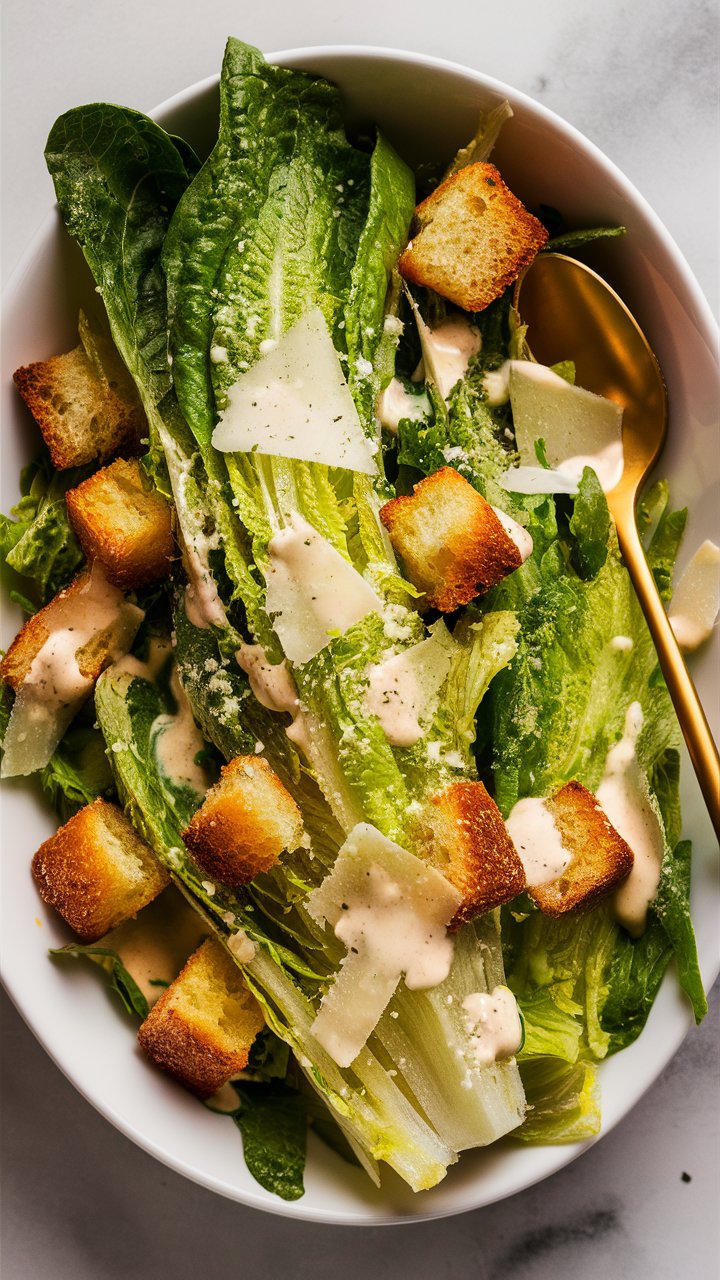
There’s something undeniably satisfying about a fresh, homemade Caesar salad. From the crisp romaine lettuce to the crunchy, garlicky croutons, the salty parmesan, and the bold, creamy dressing, each bite is a perfect harmony of flavors and textures. While store-bought kits and bottled dressings are convenient, they rarely match the depth and freshness of a salad made from scratch. In this comprehensive guide, we’ll explore everything you need to know about creating a Caesar salad that’s not only delicious but also visually stunning, versatile, and perfectly balanced.
The Origins of Caesar Salad
Understanding the history of a dish can deepen your appreciation for it. Despite its name, the Caesar salad wasn’t named after Julius Caesar. It was invented in 1924 by Italian-American restaurateur Caesar Cardini in Tijuana, Mexico. Legend has it that during a busy Fourth of July weekend, Cardini improvised the salad using what ingredients he had on hand.
The original Caesar salad was simple yet bold: romaine lettuce, garlic, croutons, Parmesan cheese, olive oil, egg, and Worcestershire sauce. Over time, recipes evolved, incorporating lemon juice, Dijon mustard, and anchovies for extra umami. Today, countless variations exist, but the essence remains the same: crisp greens, a creamy, tangy dressing, and a satisfying crunch.
Why Homemade Caesar Salad Is Worth the Effort
Making a Caesar salad from scratch may seem intimidating, but it’s easier than most people think. Here’s why it’s worth your time:
- Superior Flavor: Homemade dressing is fresh, tangy, and perfectly balanced. You can adjust seasoning to your taste, avoiding the overly salty or artificial flavors of bottled dressings.
- Crunchy Croutons: Store-bought croutons can be stale or unevenly seasoned. Homemade garlic-parmesan croutons are crisp, flavorful, and melt in your mouth.
- Customization: Want it spicier, creamier, or lighter? Making it yourself gives you full control over ingredients.
- Healthier Option: You can use fresh, high-quality ingredients, control salt and fat content, and avoid preservatives.
- Impressive Presentation: A freshly made Caesar salad looks beautiful, making it perfect for dinner parties, special occasions, or an everyday meal upgrade.
Essential Ingredients for the Perfect Caesar Salad
To create a Caesar salad that stands out, selecting quality ingredients is key. Here’s a breakdown:
For the Croutons
- French baguette: Slightly stale bread works best for optimal crunch.
- Extra virgin olive oil: Adds richness and helps crisp the bread.
- Minced garlic: Infuses each crouton with bold flavor.
- Grated Parmesan cheese: Melts slightly for a savory, cheesy coating.
- Optional herbs: Oregano, thyme, or rosemary can enhance flavor.
For the Caesar Dressing
- Garlic: Fresh, pungent, and essential for the classic flavor.
- Dijon mustard: Provides tanginess and depth.
- Worcestershire sauce: Adds umami without anchovies (optional if you prefer).
- Fresh lemon juice: Brightens the dressing.
- Red wine vinegar: Balances richness with acidity.
- Extra virgin olive oil: The base for a smooth, emulsified dressing.
- Sea salt & black pepper: To taste.
For the Salad
- Romaine lettuce: Crisp and refreshing; Little Gem or a mix of crisp greens can be used as an alternative.
- Parmesan cheese: Shredded or shaved for texture and salty richness.
- Optional proteins: Grilled chicken, shrimp, salmon, or tofu.
- Optional add-ins: Cherry tomatoes, avocado, or bacon for extra flavor.
Step-by-Step Guide to Making Homemade Caesar Salad
Creating a perfect Caesar salad involves three main components: croutons, dressing, and assembly. Follow these steps for best results.
Step 1: Make the Garlic Parmesan Croutons
- Preheat your oven to 350°F (175°C).
- Slice half a French baguette in half lengthwise, then cut diagonally into ¼-inch thick pieces.
- Arrange bread slices on a baking sheet in a single layer.
- In a small bowl, mix 3 Tbsp olive oil and 1 tsp minced garlic.
- Drizzle garlic oil over bread slices, sprinkle with 2 Tbsp grated Parmesan, and toss to coat evenly.
- Spread slices again in a single layer and bake for 10–12 minutes, or until light golden and crisp.
- Let cool completely before using.
Pro Tip: Use day-old bread for croutons—they hold up better to the dressing.
Step 2: Prepare the Caesar Dressing
- In a small bowl, whisk together 1 tsp minced garlic, 2 tsp Dijon mustard, 1 tsp Worcestershire sauce, 2 tsp fresh lemon juice, and 1½ tsp red wine vinegar.
- Slowly drizzle in ⅓ cup olive oil while whisking constantly to emulsify.
- Season with ½ tsp sea salt and ⅛ tsp black pepper, adjusting to taste.
Pro Tip: Make the dressing ahead of time—it keeps in the fridge for up to 5 days.
Step 3: Assemble the Salad
- Rinse and dry 1 large head of romaine lettuce (or 2 small heads).
- Tear or chop into bite-sized pieces and place in a large serving bowl.
- Sprinkle with ⅓ cup shredded or shaved Parmesan cheese.
- Add cooled garlic parmesan croutons.
- Drizzle with Caesar dressing and toss gently to coat all leaves evenly.
- Serve immediately, topping with extra black pepper or Parmesan if desired.
Serving Tip: For added protein, top with grilled chicken, shrimp, or salmon.
Variations to Suit Every Taste
Caesar salad is incredibly versatile. Here are some variations to try:
- Vegan Caesar: Omit cheese and use vegan Worcestershire sauce; substitute olive oil with avocado oil for richness.
- Gluten-Free: Use gluten-free bread for croutons.
- Protein-Packed: Add grilled chicken, steak, shrimp, or tofu for a full meal.
- Green Mix: Combine romaine with baby kale, spinach, or arugula for a different texture and flavor profile.
- Flavor Boosters: Cherry tomatoes, avocado, bacon, or roasted nuts can add variety.
Health Benefits of Caesar Salad
While indulgent, a homemade Caesar salad can also be surprisingly nutritious:
- Romaine Lettuce: Rich in vitamins A, C, and K, and contains fiber for digestive health.
- Olive Oil: Heart-healthy monounsaturated fats.
- Garlic: Known for its antioxidant properties and immune-boosting potential.
- Parmesan Cheese: Provides protein and calcium, though moderation is key.
- Protein Add-Ins: Chicken, shrimp, or tofu add essential amino acids for a balanced meal.
By making your own dressing and croutons, you reduce preservatives, excessive sodium, and sugar often found in store-bought options.
Common Mistakes and How to Avoid Them
Even experienced cooks can stumble when making Caesar salad. Avoid these pitfalls:
- Soggy Lettuce: Always rinse and thoroughly dry romaine leaves. Wet leaves dilute dressing and lose crunch.
- Overdressing: Add dressing gradually. It’s easier to add more than to fix overdressed salad.
- Burnt Croutons: Watch baking time closely; croutons can go from golden to burnt in a minute.
- Weak Flavor: Don’t skip garlic, Parmesan, or Worcestershire. These provide the signature Caesar taste.
- Incorrect Tossing: Toss gently to coat without bruising lettuce.
Storage and Make-Ahead Tips
- Croutons: Store in an airtight container at room temperature for up to 3 days.
- Dressing: Keep in a sealed jar in the fridge for up to 5 days.
- Lettuce: Wash, dry, and store undressed in a container with paper towels to keep crisp.
- Assembled Salad: Serve immediately; dressed salad becomes soggy quickly.
What to Serve with Caesar Salad
Caesar salad pairs well with a variety of dishes:
- Grilled Meats: Chicken, shrimp, steak, or salmon.
- Pasta: Creamy Alfredo, spaghetti, or lasagna.
- Soups: Tomato basil, minestrone, or chicken noodle.
- Bread: Garlic bread, focaccia, or sourdough.
- Drinks: White wine spritzer, lemonade, or iced tea complement the fresh flavors.
FAQs About Caesar Salad
Q: Can I make Caesar dressing without anchovies?
A: Absolutely. This recipe uses Worcestershire sauce for umami instead.
Q: How long can I store Caesar dressing?
A: Up to 5 days in a sealed jar in the fridge.
Q: What is the best lettuce for Caesar salad?
A: Romaine is classic, but Little Gem or a mix of crisp greens works well.
Q: Is it safe to eat raw egg in dressing?
A: This recipe avoids raw eggs, making it safer and more fridge-stable.
Q: Can I use store-bought croutons?
A: Yes, but homemade croutons are more flavorful and customizable.
Final Thoughts
A homemade Caesar salad is more than a side dish—it’s a culinary experience. With crisp romaine, creamy, zesty dressing, and crunchy garlic-parmesan croutons, every bite is a testament to the magic of fresh ingredients prepared with care.
Whether you’re serving it as a side, adding protein for a main course, or experimenting with creative variations, this classic salad is versatile, satisfying, and utterly delicious. Once you taste the difference of making it from scratch, you’ll likely never return to store-bought versions again.