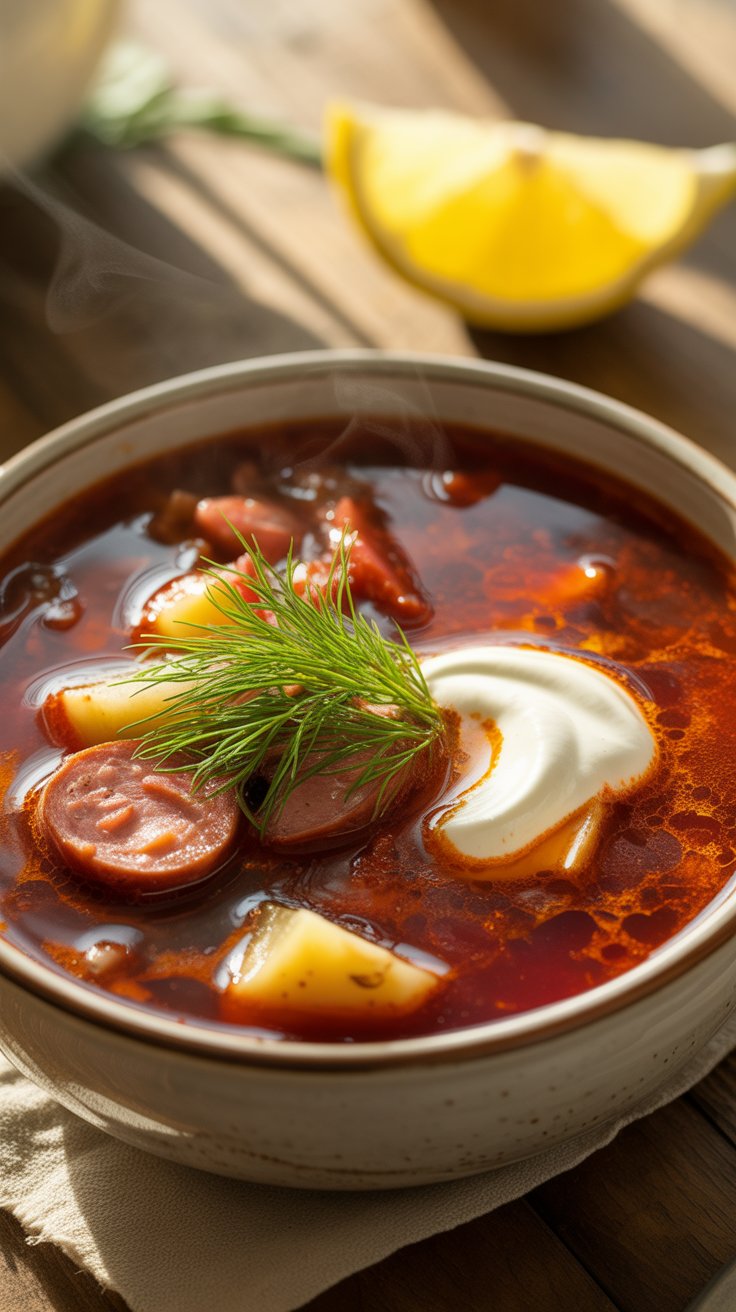
How to Make Traditional Kapustnyak: A Flavor-Packed Sauerkraut Soup You’ll Love 2025-26
For generations, Sauerkraut Soup—known throughout Ukraine and Eastern Europe as Kapustnyak—has stood as one of the most comforting dishes shared around family tables. This dish is far more than just a soup; it is a symbol of heritage, resourcefulness, and the ability of simple ingredients to create extraordinary flavor.
In traditional Ukrainian households, a large pot of Kapustnyak often simmered on cold winter days, filling kitchens with warmth and aroma. This humble soup represents the culinary wisdom of Eastern Europe, where cooks transformed preserved foods, hearty vegetables, and smoky meats into sustaining meals that nourished both body and spirit.
Today, Sauerkraut Soup is cherished not only for its history but also for its bold, tangy flavor profile, nutrient-rich ingredients, and versatility. Whether you’re discovering Ukrainian cuisine for the first time or revisiting beloved flavors from your childhood, this dish continues to impress with its balance of richness, acidity, and homestyle comfort.
In this comprehensive guide, we’ll explore everything you need to know about making a perfect pot of Sauerkraut Soup. From its origins to preparation techniques, variations, serving suggestions, and expert cooking tips — this article provides a complete, professional-level breakdown that beginners and seasoned home cooks alike will appreciate.
H2: What Makes Sauerkraut Soup (Kapustnyak) Truly Special?
Kapustnyak is often described as a “flavor-layered soup.” Every ingredient plays a unique culinary role, and together they build a depth that is comforting, savory, tangy, and complex.
Here’s what sets it apart:
1. A Perfect Tangy Balance
The sauerkraut brings a bright, vibrant acidity that cuts through the richness of the broth. When rinsed properly, it provides depth without overwhelming the palate.
2. Smoky Foundation
Using bacon—or sometimes kielbasa—adds a natural smokiness that infuses the entire pot and complements the sauerkraut beautifully.
3. Layered Vegetables for Comfort
Potatoes, carrots, celery, onions, and beans create a hearty base that gives the soup body and texture.
4. Nutrient-Dense Ingredients
Rich in probiotics (sauerkraut), fiber (beans & vegetables), and protein, this soup is satisfying while still supporting a balanced diet.
5. One-Pot Simplicity
Kapustnyak is the kind of recipe that almost cooks itself. Everything comes together effortlessly, yet the final result tastes like hours of careful preparation.
H2: Origins and Cultural Significance of Kapustnyak
Kapustnyak originates in Ukraine but is enjoyed across Poland, Slovakia, Belarus, and other Slavic regions. Historically, sauerkraut was a vital preserved food that sustained communities through harsh winters when fresh produce was scarce.
A Symbol of Preservation and Resilience
- Sauerkraut was considered a food of life—full of nutrients and easily stored.
- During winter months, soups like Kapustnyak became staples because they were hearty and required minimal meat.
- The soup was often served during holidays, family gatherings, and community events.
Regional Variations
Across Eastern Europe, Kapustnyak has many interpretations:
- Ukrainian version: often includes millet or quinoa, potatoes, carrots, and sauerkraut.
- Polish version: usually made with kielbasa or smoked ham hock.
- Carpathian style: richer, sometimes including sour cream or butter.
- Modern versions: add beans, tomato paste, or fresh herbs.
This adaptability is one reason it has remained beloved across different eras and cultures.
H2: Ingredients You Need (Complete Breakdown and Why They Matter)
To make the most flavorful version of Sauerkraut Soup, each ingredient should contribute something essential. Here’s a detailed explanation of what you’ll need and why:
✓ Sauerkraut
The star ingredient. It gives the soup its tang, depth, and signature taste.
Rinsing it three times ensures controlled acidity while keeping the flavors vibrant.
✓ Bacon or Smoked Meat
This provides:
- A smoky base
- Umami richness
- A savory aroma
- Crispy garnishes for serving
Bacon is traditional, but smoked turkey, kielbasa, or ham can be used too.
✓ Vegetables
- Potatoes: Add heartiness and mild creaminess.
- Carrots: Provide sweetness and balance the tang.
- Onions: Create foundational flavor.
- Celery: Adds aromatic depth.
✓ White Beans
Beans enhance:
- Creaminess
- Protein
- Fiber
- Overall texture
Cannellini or navy beans are best, but any mild white bean works.
✓ Broth
Low-sodium chicken broth is ideal to control saltiness.
Vegetable broth works well for a vegetarian version.
✓ Quinoa (Optional)
A nutritious addition that adds subtle chew and protein.
✓ Seasonings
A blend of:
- Salt
- Black pepper
- Bay leaf
- Optional Mrs. Dash (for herbal brightness)
Together, these seasonings highlight the natural flavors.
H2: Expert Pro Tips Before You Begin
To elevate your Sauerkraut Soup to restaurant-level quality, keep these expert pointers in mind:
1. Rinse Sauerkraut Correctly
Rinse 2–3 times, but don’t squeeze it dry. You want it softened, not bland.
2. Sauté Slowly
Allow the bacon, onions, and celery to truly caramelize for a richer flavor base.
3. Simmer Gently
A gentle simmer allows all flavors to meld without turning vegetables mushy.
4. Don’t Skip the Resting Time
Kapustnyak tastes best after it sits for 1 hour—or even better the next day.
5. Use Low-Sodium Broth
This prevents overpowering saltiness since bacon and sauerkraut already contain salt.
H2: Step-by-Step Guide – How to Make Authentic Sauerkraut Soup
Here is the detailed, easy-to-follow cooking process:
Step 1: Sauté the Bacon
Heat olive oil in a large Dutch oven or heavy pot.
Add chopped bacon and cook until crispy, golden, and aromatic.
Remove the bacon with a slotted spoon and set it aside.
Why this matters:
Bacon fat forms the foundation of the soup’s depth.
Step 2: Build the Aromatic Base
In the same pot, add finely chopped onions and celery.
Sauté for 5–7 minutes until softened and lightly browned.
Why this matters:
These aromatics enhance the broth’s complexity.
Step 3: Add Carrots, Potatoes, and Optional Quinoa
Stir in the vegetables and toast them for 1–2 minutes to awaken flavors.
Add broth and water, then bring to a gentle boil.
Simmer for 15 minutes.
Step 4: Add Sauerkraut, Beans, and Seasoning
Add rinsed sauerkraut, white beans with their liquid, and half the bacon.
Drop in the bay leaf.
Simmer for another 10–15 minutes, or until potatoes are fully tender.
Step 5: Adjust Seasoning and Serve
Taste and adjust salt, pepper, and optional Mrs. Dash.
Serve hot with remaining crispy bacon.
Pair with bread for a complete meal.
H2: What to Serve with Sauerkraut Soup
Kapustnyak pairs beautifully with simple side dishes such as:
- Sourdough bread
- Rye bread
- Toast or crackers
- Garlic pampushky (Ukrainian garlic rolls)
- Light green salads
- Pickled vegetables
- Roasted root vegetables
Each companion dish enhances the tangy, savory flavor profile of the soup.
H2: Delicious Variations and Substitutions
1. Smoky Kielbasa Version
Swap bacon for sliced Polish kielbasa for stronger smokiness.
2. Vegetarian / Vegan Version
Omit bacon and use:
- Vegetable broth
- Smoked paprika
- Olive oil
You still get incredible depth without meat.
3. Add Fresh Cabbage
Mix shredded fresh cabbage with sauerkraut for more volume.
4. Make It Spicy
Add:
- Chili oil
- Red pepper flakes
- Hot paprika
5. Swap Beans
Cannellini, navy, or great northern beans are all excellent choices.
H2: Storage and Leftover Guide
Refrigerate:
Keeps 4 days in airtight container.
Freeze:
Freeze portions for up to 2 months.
Reheat:
Warm on stovetop over medium heat.
Add a splash of water or broth if it thickens.
H2: Frequently Asked Questions
1. Why rinse sauerkraut?
To reduce saltiness and overly sharp sourness while maintaining flavor.
2. Can I make this vegetarian?
Yes! Use veggie broth and smoked paprika instead of bacon.
3. Is quinoa required?
No, it’s optional. It enhances protein and texture but can be skipped.
4. Can I replace sauerkraut with fresh cabbage?
Fresh cabbage lacks tang. Add a bit of vinegar if you substitute.
5. Can this be cooked in an Instant Pot?
Yes — sauté ingredients first, then pressure cook for 8 minutes.
H2: Nutritional Overview (Estimated)
Per bowl (approx.):
- Calories: 260–300
- Protein: 12–15g
- Fiber: 7–9g
- Carbs: 28–32g
- Fat: 10–12g
Nutritious, balanced, and filling.
H2: Final Thoughts
Sauerkraut Soup (Kapustnyak) is a recipe rooted in tradition yet timeless in appeal. Its balance of smokiness, tanginess, warmth, and wholesome ingredients makes it a comfort dish that satisfies in any season—especially winter. Whether you enjoy it as a nostalgic meal from your cultural roots or as a delightful new culinary discovery, this soup is guaranteed to deliver flavor, nutrition, and soul-warming comfort in every bowl.


