How to Make the Best Roasted Curried Cauliflower at Home 2025
If you think cauliflower is bland, it’s time to meet its bold alter-ego: Roasted Curried Cauliflower.
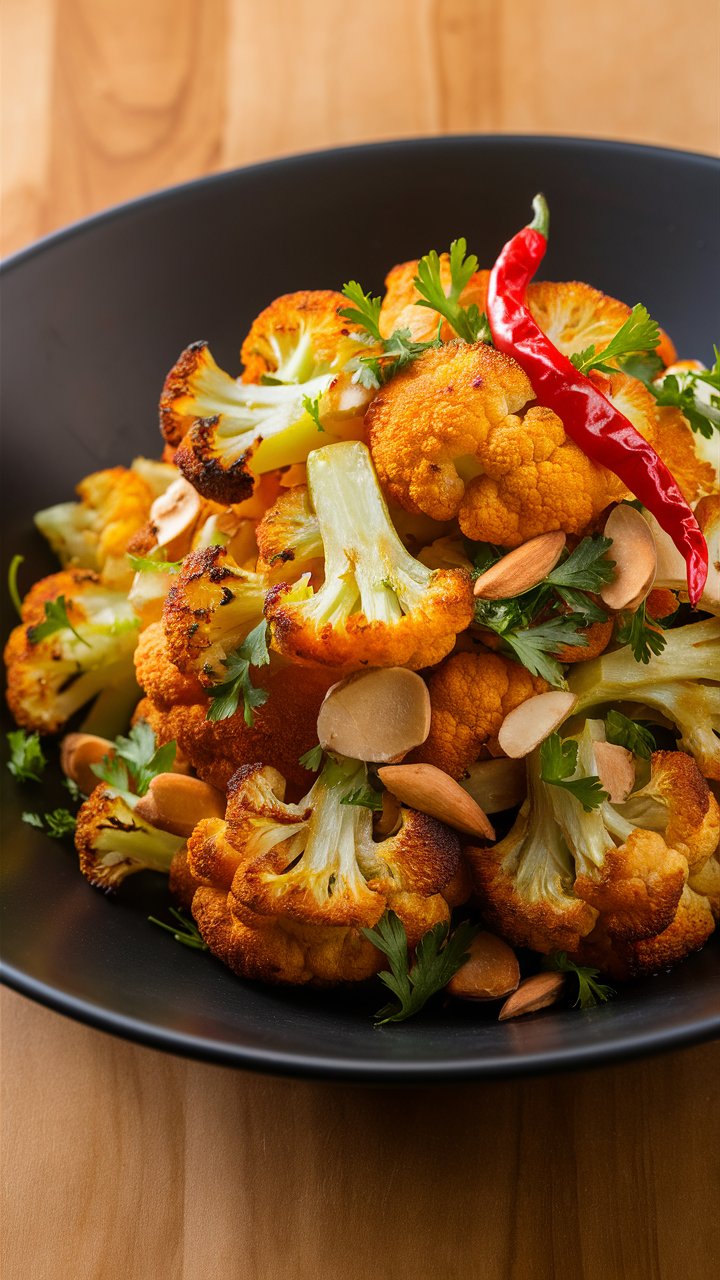
This simple yet dazzling dish transforms a humble head of cauliflower into a fragrant, crispy, and deeply satisfying centerpiece.
In this complete guide, you’ll learn everything—from the culinary science behind perfect roasting to creative serving ideas, storage tips, and flavor variations—so you can make this recipe your own and impress guests every time.
1. Why Roasted Curried Cauliflower Deserves a Place on Your Table
Cauliflower has experienced a true culinary renaissance over the past decade. Once viewed as a bland, pale vegetable often hidden under cheese sauce, it now stars in grain-free pizzas, plant-based “steaks,” and countless gourmet sides. Among these modern preparations, roasted curried cauliflower stands out because it’s:
- Packed with Flavor – Curry spices and high-heat roasting coax out deep, nutty notes and a pleasant smokiness.
- Quick and Convenient – From start to finish, you can have it on the table in under 30 minutes.
- Healthy and Naturally Vegan – No dairy, no gluten, and a generous dose of vitamins and fiber.
- Versatile – Works as a side dish, salad topper, wrap filling, or even the star of a grain bowl.
Whether you’re a busy home cook or a seasoned foodie, this recipe proves that a few pantry spices can turn an everyday vegetable into something extraordinary.
2. Ingredients: Building Blocks of Incredible Flavor
Quality ingredients are key. Below is a detailed look at each component and how it contributes to taste and texture.
Cauliflower
Choose a large, firm head weighing about 1½ to 2 pounds (680–900 g).
Look for creamy-white florets with tight clusters and vibrant green leaves. Avoid heads with dark spots or a strong odor.
Avocado Oil
Chosen for its high smoke point, avocado oil can withstand the oven’s heat without breaking down. It creates a crisp exterior while keeping the interior tender. Extra-virgin olive oil is an acceptable substitute for those who prefer a fruitier note.
Curry Powder
This blend typically includes turmeric, cumin, coriander, fenugreek, and chili. It adds warmth, earthiness, and a golden hue. Different brands vary, so sample your curry powder and adjust to taste.
Maple Syrup (Optional)
A teaspoon of pure maple syrup balances the spice with a subtle caramel sweetness. You can omit it if you prefer a fully savory dish.
Sea Salt
Enhances every other flavor. Fine sea salt disperses evenly across the florets.
Optional Garnishes
- Fresh cilantro or parsley for a burst of herbal freshness
- Toasted almonds or cashews for crunch
- A light tahini or yogurt drizzle for creamy contrast
- A squeeze of fresh lemon juice to brighten the spices
3. Equipment Essentials
You don’t need fancy gadgets, but the right tools ensure perfect results.
- Large Baking Sheet – Heavy-duty aluminum encourages even browning.
- Cast-Iron Skillet (Optional) – Ideal for an initial sear if you want extra caramelization.
- Sharp Chef’s Knife – For cutting uniform florets.
- Mixing Bowl – To toss the cauliflower with spices and oil.
- Parchment Paper – Prevents sticking and simplifies cleanup (or skip it for deeper browning).
4. Step-by-Step Cooking Method
This is the core recipe, carefully written for clarity and consistency.
Step 1: Preheat
Set your oven to 450°F (232°C). High heat is crucial for crisp edges.
Step 2: Prep the Cauliflower
Remove the outer leaves and trim the stem. Slice the head into bite-size florets about 1½ inches across. Consistent size ensures even cooking.
Step 3: Season
In a large bowl, combine:
- 2 tablespoons avocado oil
- 1 tablespoon curry powder
- 1 teaspoon fine sea salt
- ½ teaspoon maple syrup (optional)
Add the florets and toss until each piece is coated.
Step 4: Optional Sear
Heat 1 tablespoon avocado oil in a cast-iron skillet over medium-high. Sear the cauliflower for 4–5 minutes until lightly golden. This step deepens flavor but can be skipped if you prefer a simpler method.
Step 5: Roast
Spread the cauliflower evenly on a baking sheet. Roast for 12–15 minutes, stirring every 5 minutes to encourage even browning.
Step 6: Garnish and Serve
Transfer to a serving platter and top with cilantro, nuts, or tahini drizzle while hot. Serve immediately.
5. The Science of High-Heat Roasting
Roasting vegetables at high temperatures triggers the Maillard reaction, a series of chemical processes that create complex, savory flavors and a golden crust. Cauliflower’s natural sugars caramelize, giving the florets a nutty sweetness. A generous coating of oil ensures the surface heats evenly and prevents drying.
6. Pro Tips for Irresistible Crispiness
- Dry Thoroughly – After washing, pat the florets dry. Moisture creates steam that can soften edges.
- Don’t Crowd the Pan – Overlapping pieces trap steam and hinder browning. Use two pans if necessary.
- Flip and Stir – Moving the florets every 5 minutes exposes new surfaces to the hot pan for maximum caramelization.
- Use a Hot Oven – 450°F is the sweet spot for crispy, golden results.
7. Flavor Variations and Spice Blends
One of the joys of this recipe is how easily you can adapt it.
- Spicy Kick – Add a pinch of cayenne or smoked paprika.
- Middle Eastern Twist – Use za’atar or ras el hanout instead of curry powder.
- Mediterranean Style – Toss with lemon zest, oregano, and garlic powder.
- Sweet & Smoky – Blend maple syrup with chipotle chili powder.
For a completely different vegetable, try broccoli, Brussels sprouts, or sweet potato cubes using the same technique.
8. Serving Suggestions and Pairings
Roasted curried cauliflower pairs beautifully with a wide range of dishes:
- Grain Bowls – Layer over quinoa or farro with chickpeas and a lemon-tahini dressing.
- Wraps and Pitas – Combine with hummus, pickled onions, and greens for a hearty vegetarian wrap.
- Protein Partners – Complements grilled chicken, seared salmon, or baked tofu.
- Salads – Add warm florets to a spinach salad with dried cranberries and toasted almonds.
For a full meal, serve alongside fragrant jasmine rice and a cooling cucumber raita.
9. Nutritional Benefits of Cauliflower
Cauliflower is a nutritional powerhouse:
- Low in Calories – About 25 calories per cup.
- High in Fiber – Supports digestion and satiety.
- Rich in Vitamin C – One cup provides over half of your daily needs.
- Good Source of Antioxidants – Including glucosinolates, which support overall wellness.
When roasted with heart-healthy avocado oil and anti-inflammatory spices like turmeric, this dish becomes as nourishing as it is delicious.
10. Make-Ahead, Storage, and Reheating
- Make-Ahead – Cut and season the cauliflower up to 24 hours in advance. Keep refrigerated in an airtight container.
- Storage – Store leftovers for up to 4 days in the refrigerator.
- Reheating – To restore crispness, reheat in a 400°F oven or toaster oven for 8–10 minutes. Avoid microwaving, which softens the florets.
11. Common Questions Answered
Is this dish spicy?
Not by default. Standard curry powder is mild, but you can add cayenne or chili flakes for heat.
Can I skip the searing step?
Absolutely. Searing adds extra depth but roasting alone still produces great results.
What if I don’t have avocado oil?
Use light olive oil or grapeseed oil—both handle high heat well.
Can I air-fry it?
Yes. Air fry at 400°F for 10–12 minutes, shaking halfway through.
12. Creative Ways to Use Leftovers
Leftover roasted curried cauliflower is a gift that keeps on giving:
- Breakfast Hash – Toss with roasted potatoes and top with a fried egg.
- Soup Base – Blend into vegetable broth for a creamy curried soup.
- Pizza Topping – Scatter over a whole-wheat crust with caramelized onions and feta.
- Pasta Add-In – Stir into cooked penne with a squeeze of lemon and grated Parmesan.
13. Final Thoughts: Elevating Everyday Vegetables
Roasted curried cauliflower proves that a handful of spices and a hot oven can transform a common vegetable into a showstopper. It’s an ideal recipe for busy weeknights, elegant dinner parties, or anyone seeking plant-forward meals that excite the palate.
By understanding the simple techniques—uniform cutting, thorough drying, high-heat roasting—you gain more than just a single recipe. You gain a method for turning countless vegetables into crisp, flavorful sides that make vegetables the highlight of the meal.