How to Make the Best Buttermilk Pound Cake from Scratch 2025
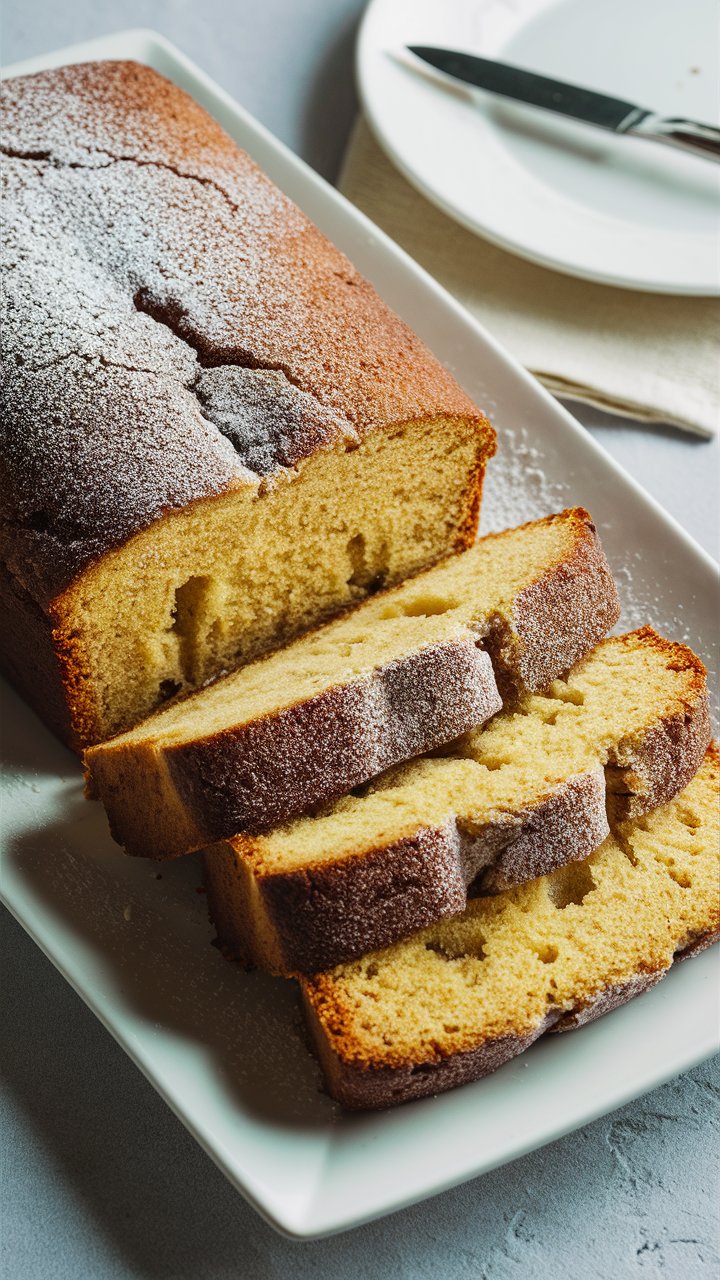
Few desserts are as timeless, comforting, and universally loved as a classic buttermilk pound cake. With its tender crumb, buttery richness, and subtle vanilla essence, it’s the kind of recipe that transcends trends and has been passed down through generations. Whether you’re a seasoned home baker or just starting your journey into the world of baking, mastering a buttermilk pound cake is a rite of passage—and one that rewards you with a moist, flavorful, and utterly satisfying treat.
In this detailed guide, we’ll walk you through every step of making the perfect pound cake, explain why buttermilk is the secret weapon for softness and longevity, and offer expert tips, delicious variations, and answers to your most frequently asked questions.
Let’s dive in and discover how to make the best buttermilk pound cake of your life—every single time.
2. What Makes This Buttermilk Pound Cake So Special?
Not all pound cakes are created equal. Traditional recipes often lean dense and dry, requiring sauces or syrups to stay moist. This version, however, uses buttermilk—a game-changing ingredient that brings a tender, pillowy texture and a subtle tang that balances the sweetness beautifully.
Here’s why you’ll love this recipe:
- Moist for Days: Thanks to buttermilk, this cake doesn’t dry out. In fact, it gets better over time.
- Rich, Buttery Flavor: Made with real butter and quality vanilla extract, this pound cake delivers luxurious flavor in every bite.
- No Fuss, All Flavor: No fancy techniques or ingredients—just wholesome pantry staples that come together in under an hour.
- Perfect Base Recipe: Whether you want to add citrus zest, swirl in chocolate, or layer with berries, this recipe adapts beautifully.
- Beginner-Friendly: With simple steps and minimal cleanup, this recipe is perfect for novice bakers and seasoned pros alike.
3. Key Ingredients and Their Roles
Let’s break down the essential components of this delightful cake and understand their unique contributions:
🧈 Butter (Unsalted, Room Temperature)
- Butter is the heart of a pound cake. It provides structure, flavor, and richness.
- Room temperature butter ensures a smooth, even mix that traps air for better rise.
🍬 Granulated Sugar
- Provides sweetness and helps with moisture retention.
- Creaming it with butter aerates the mixture, giving the cake its soft crumb.
🥚 Eggs
- Add moisture, structure, and fat.
- Eggs also help emulsify the batter, ensuring a smooth texture.
🥛 Buttermilk
- The MVP of this recipe. Its slight acidity tenderizes the gluten in the flour and reacts with baking powder for a better rise.
- Gives a soft texture and subtle tangy flavor.
🌾 Cake Flour
- Lower in protein than all-purpose flour, making your cake lighter and softer.
- Helps achieve a fine crumb structure.
🧁 Baking Powder
- The leavening agent that helps the cake rise gently but effectively.
- Creates a lighter texture without compromising density.
🌿 Vanilla Extract
- Infuses the cake with deep, aromatic flavor.
- Complements the richness of the butter and tang of the buttermilk.
4. Step-by-Step Baking Guide
Let’s walk through the process of creating this delectable pound cake. Follow each step carefully for perfect results.
✅ Ingredients (for a 9×5 inch loaf pan)
- Unsalted Butter – ¾ cup + 2 tablespoons (202g), room temperature
- Granulated Sugar – 1¼ cups (253g)
- Eggs – 3 large (150g)
- Cake Flour – 1¾ cups + 1 tablespoon (209g)
- Baking Powder – 1½ teaspoons (7g)
- Buttermilk – ¾ cup + 1 tablespoon (197g)
- Vanilla Extract – ¾ teaspoon (10g)
🧁 Instructions
Step 1 – Prep the Oven and Pan
- Preheat oven to 330°F (165°C).
- Grease a 9×5-inch loaf pan and line with parchment paper for easy removal.
Step 2 – Cream Butter and Sugar
- In a large mixing bowl, beat the butter and sugar together on medium-high for 2-3 minutes, until light, pale, and fluffy.
Step 3 – Add Eggs One at a Time
- Crack in one egg, beat on low until incorporated.
- Repeat for each egg, mixing slowly to avoid overmixing.
Step 4 – Mix Dry Ingredients
- In a separate bowl, whisk together the cake flour and baking powder.
Step 5 – Alternate Dry and Wet Ingredients
- Add half of the flour mixture to the butter-egg mixture.
- Mix on low until just combined.
- Pour in the buttermilk and vanilla extract; mix gently.
- Add the remaining flour mixture and fold just until incorporated. Do not overmix.
Step 6 – Pour and Bake
- Pour the batter into the prepared loaf pan. Smooth the top with a spatula.
- Bake at 330°F (165°C) for 40–50 minutes, or until a toothpick inserted in the center comes out clean.
Step 7 – Cool the Cake
- Let the cake cool in the pan for 20 minutes.
- Then remove it and place it on a wire rack to cool completely.
5. Expert Baker’s Tips for Success
Even a simple cake like this has some secrets to help you achieve bakery-worthy results every time:
- Use a Kitchen Scale
– For precise and consistent results, especially with flour and sugar. - All Ingredients at Room Temperature
– Helps everything mix together smoothly for a uniform crumb. - Don’t Overmix After Adding Eggs
– Overmixing at this stage can create a dense, rubbery texture. - Test Early
– Start checking at 40 minutes. Every oven is different, and overbaking is the enemy of moist pound cake. - Let It Rest
– Pound cake is actually better the next day. It settles, becomes denser, and the flavors deepen.
6. Ingredient Substitutions and Adaptations
No buttermilk on hand? Allergies or dietary preferences? Here’s how to adapt:
| Ingredient | Substitute |
|---|---|
| Buttermilk | ¾ cup milk + 1 tbsp lemon juice or vinegar (let sit 10 mins) |
| Cake Flour | 1 cup all-purpose flour – 2 tbsp + 2 tbsp cornstarch |
| Eggs | Commercial egg replacers, or flax eggs for vegan version |
| Vanilla Extract | Almond extract, lemon zest, or bourbon for different flavor |
7. Size Adjustments for Different Pans
This recipe is flexible for different pan sizes. Use these conversion multipliers:
- 8×4 inch loaf pan: Multiply ingredients by 0.5
- 12-cup Bundt pan: Multiply by 1.6
- Cupcakes: Use a standard muffin tin and bake for 20–25 minutes
If you need to divide eggs, whisk the yolk and white together, then measure the portion by weight or volume.
8. Flavor Variations to Try
Make this classic cake your own by playing with flavors and mix-ins:
- Lemon Buttermilk Pound Cake: Add 2 tbsp lemon zest and 1 tbsp lemon juice.
- Chocolate Marble Pound Cake: Swirl in melted chocolate or cocoa batter.
- Berry Bliss: Fold in fresh blueberries or raspberries gently before baking.
- Almond Pound Cake: Replace vanilla with almond extract and top with sliced almonds.
- Spiced Fall Version: Add 1 tsp cinnamon and ¼ tsp nutmeg to dry ingredients.
9. How to Store Buttermilk Pound Cake Properly
Preserve that moist, buttery texture with proper storage:
🕒 Room Temperature (Best Option)
- Store in an airtight container for up to 3 days.
🧊 Refrigerator
- Keeps for up to 1 week, but bring to room temperature before serving.
❄️ Freezer
- Wrap slices or the whole cake in plastic wrap and foil.
- Freeze for up to 3 months. Thaw overnight in the fridge.
10. Serving Suggestions
This cake is incredible on its own but shines even more with the right pairings:
- Warm Caramel Sauce – Drizzle over a slice for a cozy fall treat.
- Fresh Berries and Whipped Cream – Perfect for spring and summer.
- Lemon Curd – Bright and tangy, adds a punch of citrus.
- A Scoop of Vanilla Ice Cream – Classic and comforting.
- Espresso or Black Coffee – A delightful contrast to the sweet, rich crumb.
11. Frequently Asked Questions (FAQs)
❓ Can I use all-purpose flour instead of cake flour?
Yes, but substitute properly (see section 6). Cake flour gives a finer crumb.
❓ Why is my pound cake dry?
Overbaking or overmixing are the most common culprits. Use a thermometer to check your oven and don’t overwork the batter.
❓ Can I make this ahead of time?
Absolutely. In fact, it tastes better the next day!
❓ Can I double the recipe?
Yes. Make sure to use a larger pan (like a Bundt or 9×13) and extend the baking time accordingly.
12. Final Thoughts
This buttermilk pound cake is the definition of a classic that never goes out of style. It’s reliable, adaptable, and absolutely delicious. Whether you’re baking it for Sunday tea, a family gathering, or simply because you crave something sweet, this recipe will not disappoint.
By following the step-by-step guide, using quality ingredients, and applying the expert tips, you’ll be well on your way to creating a cake that tastes just as amazing on day three as it did straight out of the oven. Moist, buttery, rich, and lightly tangy—this cake truly has it all.
So go ahead, preheat your oven and treat yourself. After all, some traditions are worth baking over and over again.