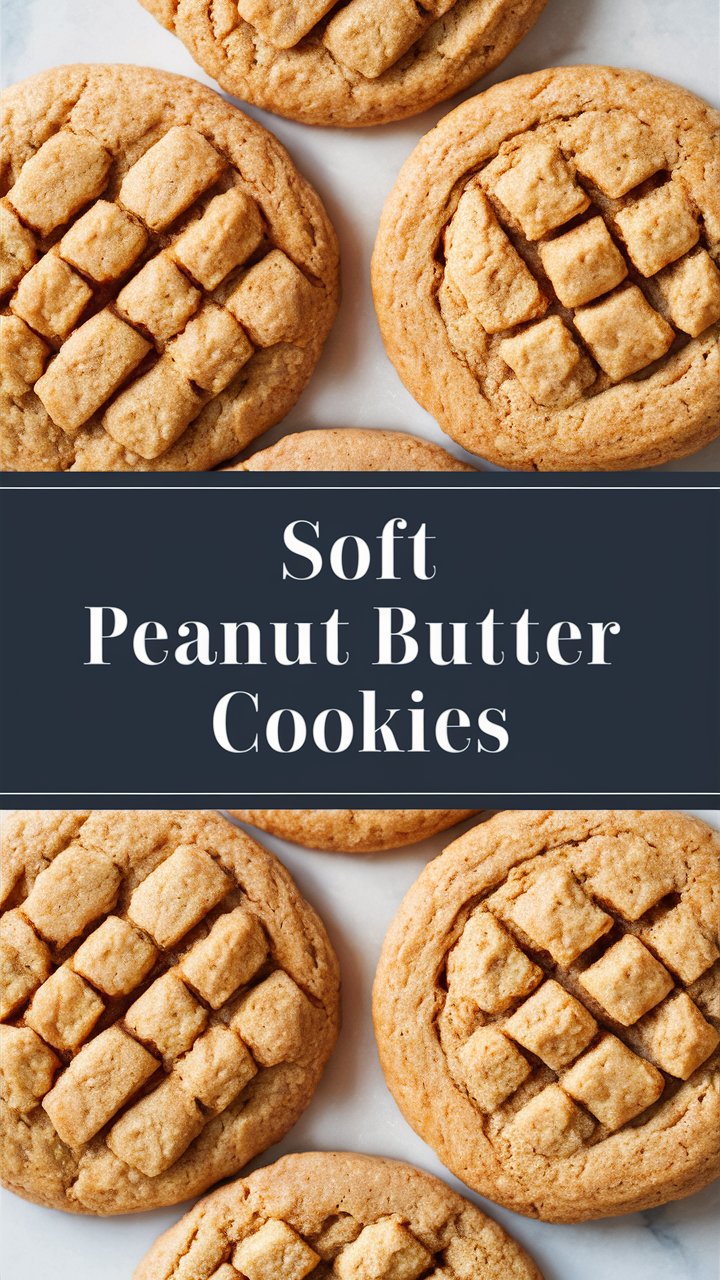
How to Make Soft Peanut Butter Cookies That Melt in Your Mouth 2025
Peanut butter cookies hold a special place in the hearts of many dessert lovers. Their rich, nutty flavor combined with a soft, chewy texture creates a comforting experience reminiscent of childhood and family gatherings. If you’ve ever wished for the perfect soft peanut butter cookie—one that melts in your mouth with every bite—you’re in the right place.
This comprehensive guide will take you through everything you need to know to bake soft peanut butter cookies that are truly next-level. From selecting ingredients and mastering technique to troubleshooting common issues and exploring creative variations, this article is your ultimate resource.
Why Choose Soft Peanut Butter Cookies?
Unlike crunchy or crispy peanut butter cookies, the soft variety offers a tender bite with a slightly chewy center and golden edges. This texture makes them ideal for those who love the moistness and gentle crumb of fresh-baked cookies without sacrificing flavor.
Soft peanut butter cookies are also incredibly versatile: perfect for lunchboxes, after-school snacks, casual coffee breaks, or even gifting. Plus, they require no chilling time, making them quick and easy to prepare on a whim.
Ingredients Breakdown: What Makes These Cookies So Good?
Each ingredient plays a vital role in the texture, flavor, and overall success of your soft peanut butter cookies. Understanding why these ingredients are used and how they interact will elevate your baking skills.
1. Peanut Butter
Type: Creamy peanut butter is preferred for its smooth texture, which contributes to the soft crumb. However, crunchy peanut butter can be used for added texture but may alter the spread slightly.
Quality: Use natural or classic peanut butter without too much oil separation. Avoid overly oily varieties as they can affect the dough’s consistency.
2. Butter
Butter adds richness and moisture, helping create that tender chew. Unsalted butter is preferred to control the salt level.
3. Sugars
A combination of granulated sugar and brown sugar is key. Granulated sugar helps with spreading and slight crisping of edges, while brown sugar, rich in molasses, adds moisture and chewiness.
4. Egg
Acts as a binder, providing structure and moisture.
5. Vanilla Extract
Adds warmth and depth to the flavor.
6. Flour
All-purpose flour gives the right balance of structure. For gluten-free versions, substitute with an appropriate gluten-free flour blend.
7. Baking Soda
A leavening agent that helps cookies rise slightly and affects texture.
8. Salt
Enhances flavor by balancing sweetness.
Equipment Needed
- Mixing bowls
- Electric mixer (hand or stand mixer)
- Measuring cups and spoons
- Baking sheets
- Parchment paper or silicone baking mats
- Fork (for crisscross pattern)
- Cooling rack
Step-by-Step Instructions with Baking Insights
Step 1: Cream the Butter, Peanut Butter, and Sugars
Start by beating the softened butter, creamy peanut butter, granulated sugar, and brown sugar together until light and fluffy. This creaming process traps air, which contributes to the cookies’ softness and slight rise.
Pro Tip: Beat for at least 2-3 minutes to ensure the mixture is well aerated.
Step 2: Add the Egg and Vanilla Extract
Mix in the egg and vanilla extract until fully incorporated. The egg provides moisture and structure, while vanilla enhances flavor complexity.
Step 3: Combine Dry Ingredients Separately
In another bowl, whisk the all-purpose flour, baking soda, and salt together to ensure even distribution.
Step 4: Gradually Add Dry Ingredients to Wet Mixture
Slowly mix the dry ingredients into the wet mixture on low speed. Avoid overmixing to prevent tough cookies.
Step 5: Shape the Dough
Scoop tablespoon-sized portions and roll into balls. For extra texture and appearance, roll the dough balls in granulated sugar.
Step 6: Press the Dough with a Fork
Use a fork to gently press each dough ball, creating the classic crisscross pattern. This step helps flatten the dense dough so it bakes evenly.
Step 7: Bake to Perfection
Bake in a preheated oven at 350°F (175°C) for 10-12 minutes until edges are set and lightly golden. The centers should look slightly underbaked — they will firm up as they cool.
Step 8: Cool Before Enjoying
Allow cookies to rest on the baking sheet for 5 minutes before transferring to a wire rack to cool completely.
Troubleshooting Common Issues
- Cookies too dry or hard: Avoid overbaking and measure flour accurately (spoon & level method recommended). Slightly underbake and allow residual cooking on the sheet.
- Cookies spreading too much: Dough may be too warm or too much butter used. Chill dough briefly if needed.
- Cracking or breaking: Could indicate overmixing or too much flour.
Creative Variations to Try
- Chocolate Chip Peanut Butter Cookies: Add ½ cup of mini or regular chocolate chips for a rich combo.
- Crunchy Peanut Butter: Swap creamy peanut butter for crunchy for texture.
- Peanut Butter and Jelly Thumbprints: Press an indentation and add jam before baking.
- Gluten-Free: Substitute flour with a 1:1 gluten-free blend.
- Vegan: Replace egg with flax egg (1 tbsp ground flaxseed + 3 tbsp water) and use vegan butter.
Storage Tips for Maximum Freshness
- Store cookies in an airtight container at room temperature for up to 5 days. Adding a slice of bread helps retain moisture.
- Freeze baked cookies in freezer-safe bags with parchment between layers for up to 2 months.
- Freeze dough balls on a baking sheet, then transfer to a bag; bake from frozen adding extra 1-2 minutes.
Serving Suggestions
- Serve with a cold glass of milk or a warm cup of tea or coffee.
- Crumble over vanilla ice cream for a peanut butter sundae.
- Sandwich cookies with cream cheese frosting or marshmallow fluff.
Nutrition Information (Approximate per cookie)
- Calories: 160
- Fat: 10g (Saturated: 3g)
- Cholesterol: 15mg
- Sodium: 95mg
- Carbohydrates: 16g
- Fiber: 1g
- Sugars: 9g
- Protein: 3g
Frequently Asked Questions
Q1: Can I use crunchy peanut butter?
Yes, it adds texture but may affect spreading slightly.
Q2: Can I make dough ahead?
Yes, refrigerate up to 3 days or freeze for 2 months.
Q3: How to make them softer?
Slightly underbake and let cookies finish on the warm baking sheet.
Q4: Can I reduce sugar?
Yes, but texture may be less soft.
Q5: How to make egg-free?
Use flax egg or egg replacer.
Conclusion
Soft peanut butter cookies are a timeless treat that’s simple to make, delicious to eat, and perfect for any occasion. This comprehensive guide arms you with all the knowledge and tips you need to bake the best batch ever — soft, chewy, and bursting with peanut butter goodness.
Happy baking!