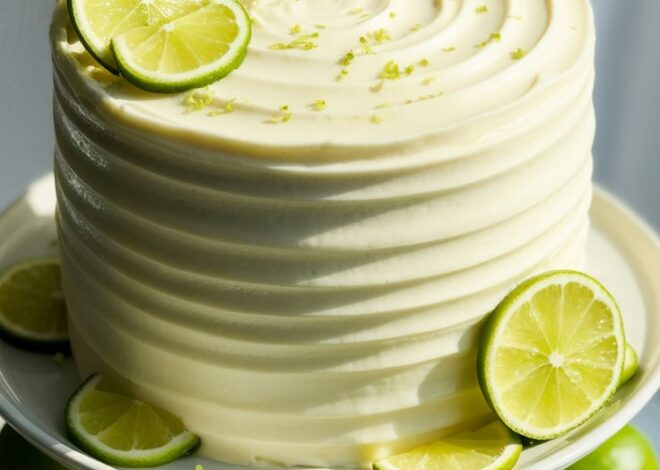
How to Make Perfect Lemon Curd Cake From Scratch: Step-by-Step Guide 2025
For lovers of citrus desserts, few treats compare to a perfectly balanced lemon curd cake. Imagine layers of moist, tender cake bursting with fresh lemon flavor, complemented by silky, tangy lemon curd and a luscious, lightly sweetened buttercream frosting. This lemon curd cake recipe combines all these elements into one unforgettable dessert that’s as impressive to serve as it is delightful to eat.
Whether you’re baking for a special occasion or simply craving a refreshing treat, this detailed guide will walk you through every step — from selecting the best ingredients to mastering the classic ermine buttercream that perfectly complements the tartness of the lemon curd.
Why This Lemon Curd Cake Recipe Is a Must-Try
- Balanced Flavor: The cake is tangy but not overpowering, with lemon zest and juice incorporated in both the cake layers and the curd.
- Moist Texture: Using buttermilk and vegetable oil ensures a tender, moist crumb.
- Less Sweet Frosting: Ermine buttercream is a classic, lightly sweetened frosting that pairs beautifully with citrus, offering a smooth texture without the heaviness of traditional buttercreams.
- Versatility: Adaptable to different pan sizes, ingredient substitutions, and make-ahead options.
- Professional Tips: From measuring ingredients with a kitchen scale to avoiding overmixing, this recipe offers insider advice for flawless results.
Ingredients and Substitutions
Cake Layers
- Cake Flour (335 g / about 2 ½ cups): Cake flour creates a tender crumb. If unavailable, you can substitute with all-purpose flour but expect a slightly denser texture. To mimic cake flour at home, remove 2 tablespoons of all-purpose flour per cup and replace with 2 tablespoons cornstarch, then sift together.
- Unsalted Butter (100 g / about 1 ¾ sticks): Room temperature for easy creaming.
- Granulated Sugar (335 g / about 1 ½ cups): For sweetness and texture.
- Lemon Zest (2 tbsp / about 8 g): Freshly grated from large lemons for bright flavor.
- Lemon Juice (2 tsp / about 10 ml): Adds tang and acidity.
- Baking Soda (½ tsp) and Baking Powder (1 tsp): Leavening agents to create a light crumb.
- Eggs (3 large): Provide structure and richness.
- Vegetable Oil (150 ml / 2/3 cup): Adds moistness without flavor interference. Can substitute with any neutral oil such as canola or grapeseed.
- Buttermilk (280 ml / about 1 ¼ cups): Adds tenderness and slight acidity. Can be made by combining regular milk with a tablespoon of lemon juice or vinegar and letting it sit for 5-10 minutes.
Lemon Curd
- Lemon Zest (2 tbsp): Freshly grated.
- Lemon Juice (about 77 g / 1/3 cup + 1 tbsp): Freshly squeezed.
- Granulated Sugar (112 g / ½ cup + 1 tbsp): Balances tartness.
- Cornstarch (1 ½ tsp): Thickens the curd.
- Whole Eggs (2) and Egg Yolk (1): For richness and texture.
- Unsalted Butter (55 g / ½ stick): Adds smoothness and shine.
Ermine Buttercream (Vanilla)
- All-Purpose Flour (84 g / ½ cup): Forms the base of the cooked pudding.
- Milk (532 g / 2 ¼ cups): Whole milk preferred.
- Granulated Sugar (357 g / 1 ¾ cups): Sweetens the frosting.
- Unsalted Butter (427 g / 3 ¾ sticks): Room temperature and whipped for lightness.
- Vanilla Extract (1-2 tsp): For flavor.
Essential Baking Equipment
- Kitchen scale (highly recommended for accuracy)
- Mixing bowls
- Electric mixer (stand or hand mixer)
- 3 x 6-inch round cake pans (or size adjustments, see below)
- Fine mesh strainer
- Saucepan
- Spatulas
- Cooling racks
- Plastic wrap or cling film
Step-by-Step Lemon Curd Cake Recipe
1. Preparing the Lemon Curd
Making the lemon curd first allows it to cool completely before assembly.
- In a small saucepan, combine the fresh lemon juice and lemon zest.
- In a separate bowl, whisk together the whole eggs, egg yolk, cornstarch, and sugar until smooth.
- Slowly pour the egg mixture into the saucepan with lemon juice and zest.
- Place the saucepan over low heat, stirring constantly with a spatula or wooden spoon.
- As the mixture heats, it will gradually thicken to a custard-like consistency — be patient and keep stirring to avoid curdling or lumps.
- Once thickened, remove from heat and immediately stir in the butter until fully melted and incorporated.
- Pass the lemon curd through a fine mesh strainer to remove zest or cooked egg bits.
- Transfer to a bowl and cover with cling film pressed directly on the surface to prevent a skin from forming.
- Let cool completely at room temperature, then refrigerate until ready to use. Lemon curd will thicken further as it chills.
2. Baking the Moist Lemon Cake Layers
Preparing Pans and Oven
- Preheat oven to 330°F (165°C).
- Grease and flour three 6-inch cake pans or line with parchment paper.
- Using a kitchen scale, measure ingredients precisely for best results.
Mixing the Batter
- In a large mixing bowl, combine the granulated sugar and lemon zest. Use your fingers or a whisk to rub the zest into the sugar to release essential oils and aroma.
- In a separate bowl, sift together the cake flour, baking soda, and baking powder.
- Add the cold, cubed butter to the sugar and zest mixture. Using a mixer on medium speed or a pastry cutter, blend until the mixture resembles wet sand. This is the reverse creaming method which helps create a tender crumb.
- Add eggs one at a time, mixing well after each addition. Scrape the bowl’s bottom and sides to avoid dry pockets.
- With a spatula, fold in the buttermilk, vegetable oil, and lemon juice all at once. Mix gently until combined, but do not overmix to prevent tough cake.
Baking
- Divide the batter evenly into the prepared pans.
- Bake for approximately 35 minutes or until a toothpick inserted into the center comes out clean.
- Remove from oven and let cakes cool in pans for 10 minutes, then transfer to cooling racks to cool completely.
- Once cool, level the cake layers with a serrated knife if needed to create flat surfaces for stacking.
3. Making the Classic Ermine Buttercream
Ermine buttercream, also known as boiled milk frosting, is smooth, less sweet, and ideal for balancing tart lemon curd.
- In a medium saucepan, whisk together the flour and milk until smooth.
- Heat over medium heat, stirring constantly until the mixture thickens into a pudding-like consistency (about 5 minutes).
- Add granulated sugar and continue stirring until it boils, then cook for one additional minute to remove raw flour taste.
- Remove from heat and transfer the cooked mixture to a bowl; cover with plastic wrap touching the surface and cool completely to room temperature.
- In a stand mixer fitted with a whisk attachment, beat room temperature butter on high speed until light and fluffy.
- Switch to the paddle attachment and slowly add the cooled flour mixture one spoonful at a time, beating well after each addition.
- Add vanilla extract and continue beating on high speed for about a minute until smooth.
- Finally, reduce mixer speed to low and beat for a couple more minutes to eliminate air bubbles and ensure smooth texture.
- Set aside at room temperature until ready to frost.
4. Assembling Your Lemon Curd Cake
- Ensure cake layers are fully cooled and leveled.
- Place the first layer on a cake board or plate.
- Spread a thin layer of ermine buttercream as a “dam” around the edge of the cake layer to hold the lemon curd in place.
- Fill the center generously with lemon curd, spreading evenly but not over the buttercream dam.
- Repeat with remaining layers, ending with the top cake layer.
- Apply a thin crumb coat of ermine buttercream over the entire cake; chill for 30 minutes.
- Finish frosting the cake with a final thick layer of buttercream, smoothing with a spatula.
- Decorate as desired — fresh lemon slices, edible flowers, or simple piped buttercream rosettes work beautifully.
Baking Tips and Tricks for the Perfect Lemon Curd Cake
- Use a kitchen scale: Precision in measuring ingredients results in better texture and flavor consistency.
- Room temperature ingredients: Bring eggs, butter, and buttermilk to room temperature for smooth batter and even mixing.
- Avoid overmixing: Overworking cake batter can develop gluten, resulting in a dense, tough crumb. Fold gently after adding wet ingredients.
- Reverse creaming method: Mixing fat with dry ingredients before adding liquids reduces gluten formation and yields tender cake.
- Don’t skip chilling: Cooling lemon curd and buttercream fully ensures easier assembly and prevents melting.
- Cover lemon curd with cling film: Prevents skin from forming on top, keeping texture silky.
- Bake at a slightly lower temperature: 330°F (165°C) allows even baking without over-browning.
Make-Ahead and Storage Instructions
- Cake layers: Bake in advance and freeze tightly wrapped for up to 6 weeks. Thaw overnight in the fridge before assembling.
- Lemon curd: Store in airtight container in the fridge for up to 1 week or freeze up to 3 months. Thaw in fridge 24 hours before use.
- Ermine buttercream: Prepare and store covered at room temperature for up to 2 days or freeze for a month. Rewhip after thawing.
- Assembled cake: Keep refrigerated and consume within 3-4 days for best freshness.
Decorating Ideas for Your Lemon Curd Cake
- Simple elegance: Smooth buttercream finish with a few lemon zest curls or thin lemon slices on top.
- Floral accents: Edible flowers like pansies or violets add charm and color.
- Piped borders: Use piping bags and tips to create rosettes, stars, or shell borders around the cake.
- Candied lemon slices: Boil lemon slices in sugar water until translucent, dry, and use as stunning edible decoration.
- Drip effect: Add a thin lemon glaze drizzle over the cake edges for a modern look.
Frequently Asked Questions (FAQs)
Q: Can I use regular milk instead of buttermilk?
A: Yes! Add 1 tablespoon of lemon juice or vinegar to 1 ¼ cups of milk, stir and let sit for 5-10 minutes to curdle before using.
Q: How do I prevent lemon curd from curdling?
A: Stir constantly over low heat and do not boil. Remove from heat as soon as it thickens.
Q: What if my buttercream is too soft?
A: Chill the frosting briefly, then rewhip to restore structure.
Q: Can I make this cake dairy-free?
A: You can substitute dairy ingredients with plant-based alternatives but the texture and flavor may vary.
Conclusion
This lemon curd cake recipe combines the perfect harmony of moist lemon-flavored cake layers, rich and tangy lemon curd, and a smooth, lightly sweetened ermine buttercream. With detailed steps, helpful tips, and adaptable instructions, even beginner bakers can create a stunning, delicious cake that’s sure to impress.
Whether for a birthday, brunch, or just a treat to brighten your day, mastering this lemon curd cake will elevate your baking repertoire and delight your friends and family.