How to Make a Perfect Hash Brown Breakfast Casserole from Scratch 2025
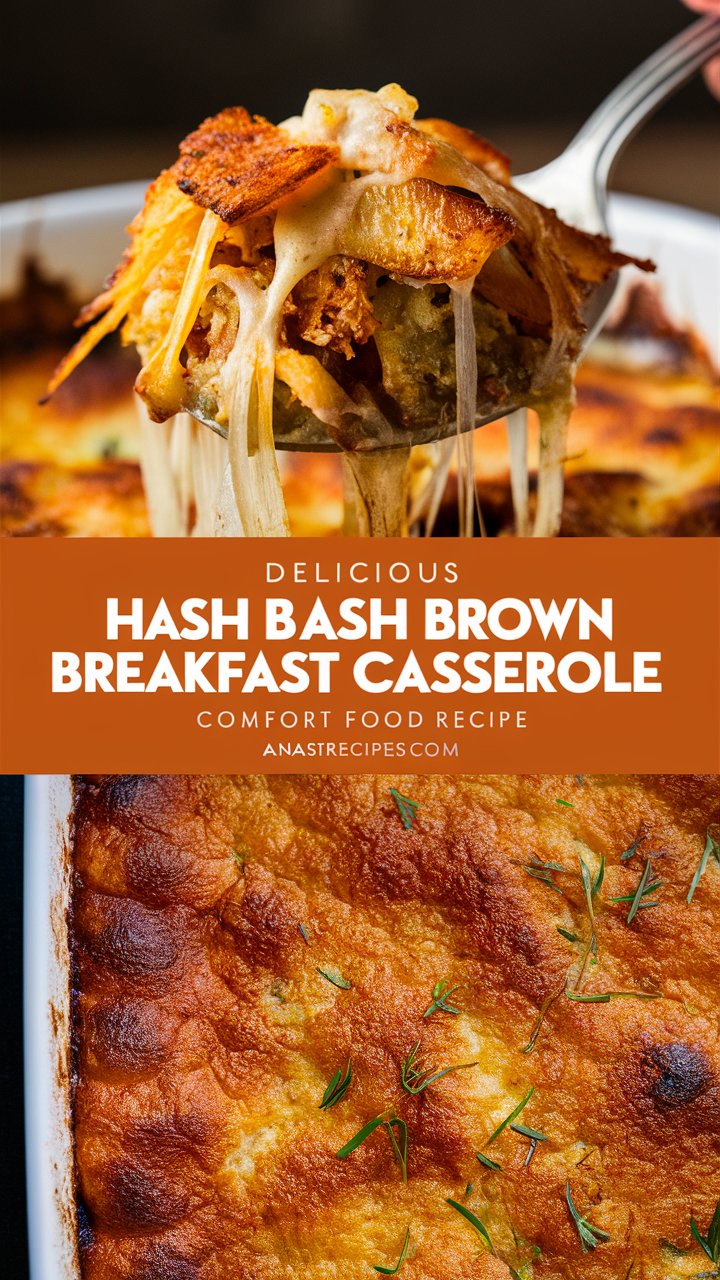
Breakfast casseroles are a beloved kind of comfort food — hearty, satisfying, and versatile. Among them, the Hash Brown Breakfast Casserole stands out for combining golden potatoes, cheese, eggs, and your choice of meat or vegetables into a single bake that feeds a crowd. It’s ideal for weekend brunches, holiday mornings, or any time you want breakfast ready without scrambling in the kitchen.
In this article, you’ll find not only a foolproof recipe, but also tips for variations, make-ahead strategy, storage and reheating, nutritional notes, and ideas for serving. Everything is structured to be clear, helpful, and search-engine optimized without resorting to awkward keyword stuffing.
Why You’ll Love This Hash Brown Breakfast Casserole
Before we get into the details, here’s what makes this casserole a standout:
- One-dish convenience: You assemble everything in one baking dish, which minimizes cleanup.
- Crowd pleaser: This recipe serves 8–10 generously, making it perfect for families or brunch gatherings.
- Make-ahead friendly: You can assemble it the night before and bake in the morning— convenient for busy routines.
- Adaptable & customizable: You can swap proteins (ham, bacon, sausage, turkey, or omit for vegetarian), switch cheeses, or add vegetables to suit your preferences.
- Balanced texture: Crispy on the edges, soft in the middle, with a creamy custard binding potato, egg, and cheese.
- Comfort meets nutrition: You get protein, carbs, and fat—all in one dish. With smart ingredient choices, it can be moderatively rich and satisfying.
Key Ingredients & What They Do
Here’s a breakdown of the main ingredients and the role each plays:
| Ingredient | Purpose / Role | Notes & Alternatives |
|---|---|---|
| Frozen shredded hash browns | The potato base and body of the casserole | Use thawed or partially thawed for more even baking. Fresh shredded potatoes can work if well dried. |
| Eggs | Bind the ingredients, provide structure and lift | Use large eggs; substitute with an egg blend or egg whites (with adjustments) if desired. |
| Evaporated milk | Adds creaminess and stability under baking heat | You may replace with a mixture of whole milk + half-and-half (use ~90% total volume) but texture may vary. |
| Cheese (Jalapeño Monterey Jack or others) | Adds flavor, creaminess, and helps hold ingredients together | You can use cheddar, pepper jack, Swiss, mozzarella, or a blend. |
| Cooked meat (ham, bacon, sausage, etc.) | Provides protein, savory flavor, and texture contrast | Use diced cooked ham, cooked crumbled sausage, cooked bacon bits, or omit for a vegetarian version. |
| Green onions (scallions) | Add brightness, mild bite, and a fresh contrast | White parts and green parts both work; you can also add chives. |
| Salt & pepper | Fundamental seasoning | You may also add herbs such as thyme, parsley, or smoked paprika for extra aroma. |
The Full Recipe
Below is a detailed, step-by-step recipe with notes, tips, and timing.
Yield & Prep Time
- Yield: 8 to 10 servings
- Prep Time: ~15–20 minutes
- Bake Time: ~1h 15min (or ~1h 30min if chilled)
- Resting Time: ~5 minutes before slicing
Ingredients (for a 3-quart or 9×13-inch baking dish)
- 6 cups frozen shredded hash browns (thawed or partially thawed if possible)
- 1½ cups shredded Jalapeño Monterey Jack cheese (or substitute with your favorite cheese)
- 2 cups diced cooked ham (or cooked bacon/sausage)
- ½ cup sliced green onions (scallions)
- 8 large eggs
- 2 × 12-oz cans evaporated milk (or ~2¼ cups total)
- ¼ teaspoon salt
- ¼ teaspoon freshly ground black pepper
Instructions
1. Preheat & Grease
Preheat your oven to 350 °F (175 °C). Grease a 3-quart baking dish (or equivalent, e.g. 9×13 in) with nonstick spray or butter.
2. Layer Potatoes
Spread the 6 cups of hash browns evenly over the bottom of the dish. If the potatoes are still partially frozen, press them into a smooth layer so they bake evenly.
3. Add Cheese, Meat & Onions
Over the potato layer, sprinkle:
- 1½ cups shredded cheese
- 2 cups cooked diced ham
- ½ cup sliced green onions
Distribute each layer as evenly as possible so you’ll get a balanced bite in every slice.
4. Whisk the Egg Custard
In a large mixing bowl, whisk together:
- 8 eggs
- The contents of 2 cans of evaporated milk
- ¼ tsp salt
- ¼ tsp pepper
Whisk until well blended and slightly frothy.
5. Pour Over Layers
Carefully pour the egg-milk mixture evenly over the layered potato, cheese, ham, and onions. Use a spatula or spoon gently if needed to guide it into all corners.
6. (Optional) Chill Overnight
If you prefer, cover the dish with foil or plastic wrap and refrigerate it overnight. Bring it out about 30 minutes before baking, so it isn’t too cold in the oven.
7. Bake Until Set
- If baked immediately: Bake uncovered at 350 °F for ~1 hour 15 minutes.
- If baking from chilled: Bake for ~1 hour 30 minutes, because it will start colder.
Check for doneness by inserting a knife or toothpick into the center — it should come out clean or with very little wetness. The center shouldn’t jiggle noticeably.
8. Rest, Then Serve
Let the casserole rest for 5 minutes (or a bit more) after removing from oven. This helps the slices hold together cleanly. Then cut into squares or rectangles and serve.
Tips & Tricks for Best Results
Here are some pro tips to elevate your casserole:
- Thaw or partially thaw hash browns (in refrigerator or cold water) to reduce excess moisture and shorten bake time.
- Drain or pat dry fresh potatoes (if using) to avoid sogginess.
- Use freshly shredded cheese for better melt and flavor, rather than pre-shredded (which often has anti-caking powder).
- Avoid overfilling the baking dish — leave ~½ inch from the top so the egg mixture doesn’t spill over.
- Allow the dish to come to near room temp before baking overnight version — this prevents cold center undercooking.
- Rotate the dish halfway through baking if your oven has hot spots, so the edges and center bake more evenly.
- Let it rest before slicing to allow the custard to firm up; otherwise, it may ooze or crumble.
- Flavor boosts: Add a pinch of smoked paprika, a few dashes of hot sauce, or a sprinkle of chopped herbs just before serving.
Variations & Customizations
This recipe is highly flexible. Here are some ideas you can try:
Meat Variations
- Replace ham with cooked breakfast sausage crumbles or ground sausage (browned & drained).
- Use crisp bacon bits (pre-cooked and crumbled).
- A mix of ham + bacon works nicely.
- Omit meat entirely for a vegetarian version, and up the vegetable content.
Cheese Variations
- Swap cheese types: cheddar, pepper jack, Swiss, colby, or a cheese blend.
- For a milder flavor, use mozzarella + mild cheddar.
- For spicier, increase the jalapeño cheese or add diced jalapeños separately.
Vegetable Add-Ins
- Bell peppers (red, green, yellow): diced
- Mushrooms: sautéed first to remove moisture
- Spinach or kale: chopped and blanched or sautéed
- Tomatoes: drained diced tomatoes or cherry tomato halves (add late to avoid sogginess)
- Onions, garlic, zucchini — as you like, but be mindful of water content
Seasoning Tweaks
- Add fresh or dried herbs: parsley, thyme, basil
- Add a pinch of nutmeg or cayenne for warmth
- Sprinkle crushed red pepper or hot sauce for heat
- Use garlic powder or onion powder for depth
Dairy Substitutes
- Use whole milk + half-and-half if you can’t find evaporated milk (reduce quantity by ~10 %)
- Use lactose-free milk options (texture may differ slightly)
- Use egg substitute or egg whites in part— just be prepared for a slightly lighter custard
Pan Size and Shape
- A 9×13 inch (23×33 cm) casserole dish works fine, though the filling will be a little thinner.
- A deep-dish version (3–4 quart) gives thicker slices.
- For smaller households, use a half recipe in an 8×8 or 9×9 pan.
Serving Suggestions & Side Dishes
A rich, savory casserole pairs well with lighter, brighter sides and beverages:
- Fruit salad or fresh berries – to contrast the richness
- Sliced avocado or guacamole – adds creaminess and freshness
- Greek yogurt or cottage cheese – light complements
- Buttery toast, biscuits, or croissants – for scooping or dipping
- Fresh fruit juices or smoothies – orange, grapefruit, mango
- Coffee, tea, or iced lattes – depending on the time of day
- Green salad – a simple mixed greens salad with vinaigrette
- Salsa or pico de gallo – for a tangy, spicy contrast
Make-Ahead, Storage & Reheating
Make-Ahead Prep
As noted, you can fully assemble the casserole the night before. Cover tightly and keep refrigerated. In the morning, allow it to warm for ~30 minutes before baking, or adjust bake time upward (add ~15 minutes).
Avoid leaving it assembled longer than 24 hours, which can degrade texture.
Storage
- In the Refrigerator: After baking and cooling, cover or transfer leftovers in airtight containers. Eat within 3–4 days.
- Freezing (Baked): Wrap portions in foil, then in plastic wrap or freezer bags. Freeze for up to 2 months.
- Freezing (Unbaked): You can freeze the unbaked assembled casserole (covered in foil and plastic). When ready to bake, thaw fully in fridge overnight, then bake (you may need to add ~10–20 minutes to baking time).
Reheating
- Oven (best for texture): Preheat to 325 °F (160 °C); cover with foil; heat for ~20–25 minutes (longer if frozen). Remove foil last few minutes to crisp the top.
- Microwave: Use medium power, cover loosely, stir or rotate halfway for even heating.
- Skillet: For individual slices, warm over low heat in a covered skillet with a splash of water or milk to avoid dryness.
Troubleshooting & Common Pitfalls
Here are common problems and how to fix or avoid them:
| Problem | Cause | Solution |
|---|---|---|
| Casserole is watery | Potatoes released too much moisture; egg mixture too thin | Thaw/dry potatoes well; reduce milk slightly; blot moisture; extend bake time |
| Center remains jiggly | Underbaked, chilled too long, or oven too cool | Add 10–15 minutes; bring dish to room temp before baking; use an oven thermometer |
| Edges overly browned | Pan is too close to heat, oven hot spots | Use lower rack, rotate halfway, cover edges with foil if needed |
| Crumbly slices | Too hot when slicing, not enough binding | Let it rest ~5–10 minutes; add a bit more cheese or egg next time |
| Bland flavor | Under-seasoned | Add more salt, spices, herbs; use flavorful cheese or meat |
Nutrition & Dietary Notes
Below is an approximate nutritional breakdown for one serving (if divided into 10 servings):
Estimated (per serving):
- Calories: ~350–450 kcal
- Protein: ~18–22 g
- Fat: ~20–25 g (varies by cheese & meat choice)
- Carbohydrates: ~25–30 g
- Fiber: ~2–3 g
- Sodium: moderate to high (depending on ham, cheese, salt)
To lighten it:
- Use lower-fat cheese and lean meats
- Use less cheese or cut back a little on milk
- Add more vegetables (spinach, bell pepper, zucchini)
- Use egg whites or partial egg substitutes
For gluten-sensitive folks, this dish is naturally gluten-free (if your processed ingredients like cheese or ham are certified gluten-free). Always check labels.
Sample Day-of-Brunch Timeline (for Hosting)
Here’s a sample schedule if you’re hosting brunch and using this casserole as your centerpiece:
| Time before serving | Task |
|---|---|
| Night before | Assemble casserole and refrigerate |
| 7:30 am | Remove casserole from fridge, preheat oven to 350 °F |
| 7:45 am | Place casserole in oven; prepare sides like fruit salad or toast |
| 8:00 am | Brew coffee, prep drinks, set table |
| 8:30 am | Check center doneness, let rest 5 minutes |
| 8:35 am | Slice and serve while warm; keep extras in oven at ~200–225 °F or reheat portions later |
This ensures a smooth flow without last-minute scrambling.
Frequently Asked Questions (FAQ)
Q: Can I use cubed hash browns instead of shredded?
A: Yes — cubed or diced frozen potatoes work. They will yield a slightly chunkier texture. Ensure they thaw or partially thaw and drain excess moisture before use.
Q: Will regular milk (whole, 2%) work instead of evaporated milk?
A: You can substitute, but you may lose a little creaminess and stability. Use slightly less or add a bit of half-and-half to mimic the richness. The texture may be a bit looser.
Q: Can I make this dairy-free or vegan?
A: For dairy-free, use dairy-free milk (e.g. oat milk, almond milk) plus a binding agent (e.g. nutritional yeast, vegan cheese, silken tofu). For vegan, you’d need to replace eggs (e.g. chickpea flour batter or commercial egg replacers). The texture changes significantly, but creative adaptations are possible.
Q: Can I double this recipe?
A: Yes, you can double it in a larger baking dish (e.g. 4-5 quart) or use two pans. You may need to increase baking time and monitor closely.
Q: How do I know it’s done in the center?
A: A knife or toothpick inserted into the center should come out clean or with minimal wetness. The center should not jiggle noticeably when the dish is gently shaken.
Q: Can I transport this for potlucks?
A: Yes — bake in a disposable foil tray, cover tightly, and reheat at 300–325 °F (with foil) for ~20–30 minutes before serving, or transport partially baked and finish baking on site.
Final Thoughts
The Hash Brown Breakfast Casserole is a go-to recipe when you want something satisfying, flexible, and crowd-friendly without too much fuss. Its adaptability makes it your kitchen go-to: switch meats, cheeses, or veggies according to what’s in your fridge. The make-ahead ability gives you calm mornings instead of frantic cooking. And with clear instructions, tips, and variations above, you’re equipped to bake it confidently, troubleshoot issues, and serve it beautifully.