Homemade Lemon Curd Made Simple: A Step-by-Step Expert Guide 2025
Lemon curd is a timeless, luscious treat that brightens desserts and snacks with its perfect balance of sweet and tangy flavors. Whether spread on scones, swirled into cakes, or enjoyed straight from the jar, lemon curd offers a burst of sunshine in every bite. This article is your comprehensive guide to mastering lemon curd — from the essential ingredients to expert techniques, storage tips, and inspiring ways to enjoy it all year round.
What Is Lemon Curd?
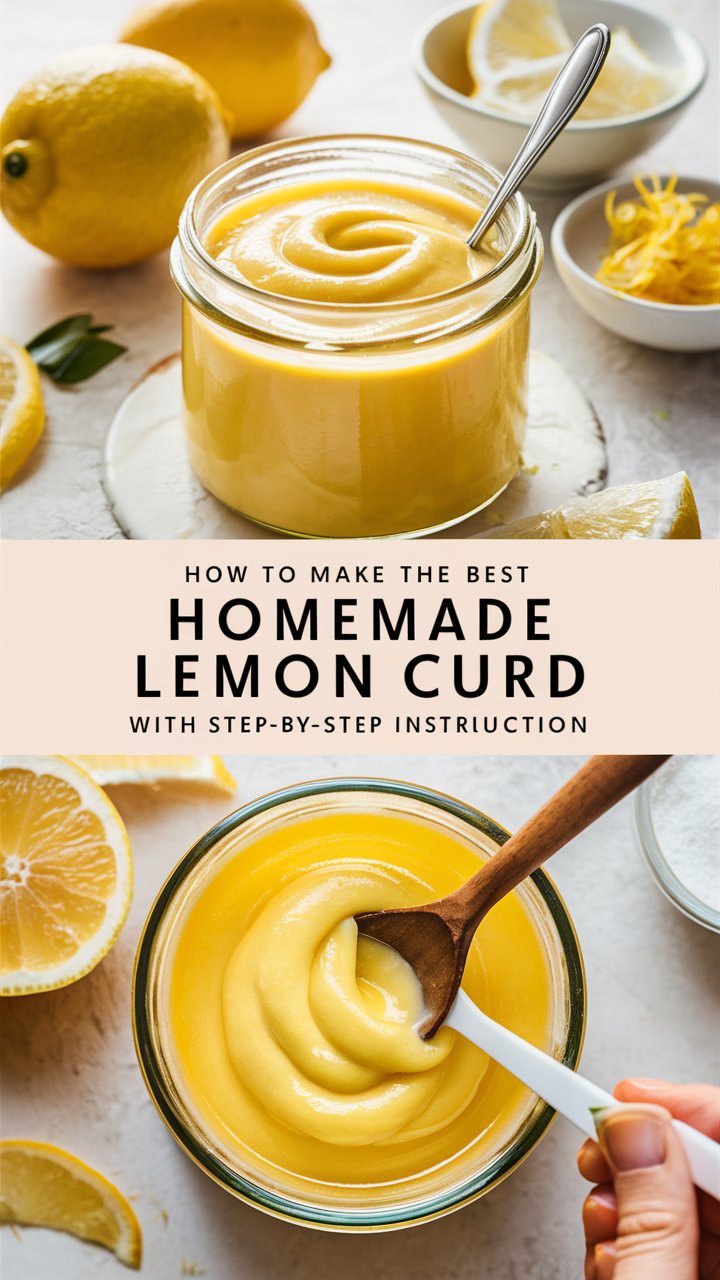
Lemon curd is a smooth, creamy, and velvety spread or filling made from lemon juice, zest, sugar, butter, and eggs. Its roots trace back to British cuisine, where it was traditionally served with scones during teatime. Unlike simple lemon jam or marmalade, lemon curd boasts a custard-like consistency and a rich, tangy-sweet flavor that elevates a variety of baked goods and desserts.
Why Make Lemon Curd at Home?
Though store-bought lemon curd is available, homemade lemon curd offers superior freshness, flavor, and control over ingredients. Making lemon curd yourself means no preservatives, customizable sweetness, and the chance to use fresh, organic lemons for an intense citrus flavor. Plus, homemade lemon curd is incredibly versatile and a wonderful way to impress family and guests with your baking skills.
Ingredients: What You Need and Why
1. Fresh Lemons (Juice and Zest)
Lemons are the heart of this recipe. The zest contains fragrant oils, while the juice provides bright acidity. Organic lemons are recommended to avoid pesticides, especially since you’ll be using the peel.
2. Granulated Sugar
Sugar balances the tartness of the lemon juice and helps create the curd’s smooth texture.
3. Eggs and Egg Yolks
Eggs act as the thickening agent, giving the curd its custard-like consistency. The combination of whole eggs and additional yolks increases richness.
4. Unsalted Butter
Butter adds creaminess and depth, mellowing the sharpness of the lemon while enhancing the texture.
5. Cornstarch (Optional)
Cornstarch can be added for extra thickening and to stabilize the curd, especially useful if you plan to use it as a cake filling or pie base. It’s optional and can be omitted if you prefer a more traditional texture.
Equipment You’ll Need
- Medium saucepan
- Whisk or spatula
- Fine mesh sieve
- Measuring cups and spoons
- Heatproof bowl
- Plastic wrap (cling film)
Step-by-Step Lemon Curd Recipe
Step 1: Prepare the Lemons
- Zest two large lemons carefully, avoiding the bitter white pith.
- Juice the lemons, ensuring no seeds get into the juice.
Step 2: Mix the Eggs and Sugar
- In a bowl, whisk together two whole eggs, one egg yolk, granulated sugar, and cornstarch (if using) until fully combined.
Step 3: Combine Lemon Juice and Zest with Eggs
- Pour the lemon juice and zest into a medium saucepan.
Step 4: Add Egg Mixture to Pan
- Slowly add the egg and sugar mixture to the pan with lemon juice, whisking constantly.
Step 5: Cook Over Low Heat
- Heat the mixture over low heat, stirring continuously with a spatula or whisk. This prevents curdling and ensures even cooking.
- The curd will gradually thicken after about 8-10 minutes. It should coat the back of a spoon.
Step 6: Remove from Heat and Add Butter
- Once thickened, remove the pan from heat.
- Stir in the unsalted butter until melted and fully incorporated, giving the curd a silky finish.
Step 7: Strain and Cool
- Pass the lemon curd through a fine mesh sieve into a clean bowl to remove zest and any cooked egg bits.
- Cover the surface directly with plastic wrap to prevent skin formation.
- Allow to cool completely before use.
Expert Tips for Perfect Lemon Curd
- Use low heat: Cooking lemon curd slowly over low heat avoids curdling and graininess.
- Constant stirring: Keep stirring gently but continuously for even thickening.
- Don’t rush cooling: Let the curd cool naturally before refrigerating for best texture.
- Adjust sweetness: Taste before cooking; adjust sugar slightly if your lemons are very tart.
- Avoid overcooking: Once thickened, immediately remove from heat to prevent scrambling eggs.
How to Store Lemon Curd Safely
- Refrigeration: Store in an airtight container in the refrigerator for up to one week.
- Freezing: Lemon curd freezes well for up to one year. Freeze in a freezer-safe container with plastic wrap on the surface to prevent freezer burn. Thaw in the refrigerator overnight and stir well before use.
Creative Uses for Lemon Curd
Lemon curd is incredibly versatile and can be incorporated into many delicious dishes:
- Spread on warm toast, scones, or English muffins
- Filling for cakes, cupcakes, or tarts
- Swirled into yogurt or oatmeal
- Layered in parfaits with fresh berries and granola
- Mixed into whipped cream or frosting for added flavor
- Dolloped on pancakes or waffles
- Paired with fresh fruit as a dip
- As a topping for cheesecakes or pavlovas
Variations to Try
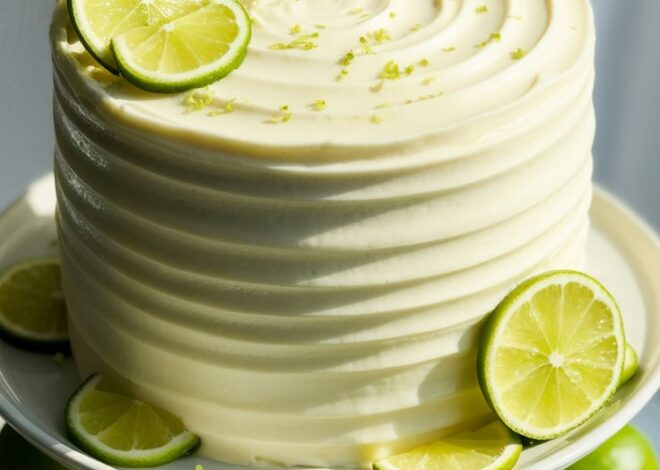
- Lime Curd: Substitute lime juice and zest for a zesty twist.
- Orange Curd: Use fresh orange juice and zest for a sweeter, milder citrus flavor.
- Berry-Infused Curd: Stir in pureed raspberries or blueberries for added fruitiness.
- Herbal Curd: Add fresh herbs like basil or thyme during cooking for an aromatic touch.
Troubleshooting Common Issues
| Problem | Cause | Solution |
|---|---|---|
| Curd is too runny | Under-cooked or not thickened | Cook longer, use a thickener like cornstarch |
| Curd is grainy or curdled | Overcooked or too high heat | Cook on low heat, stir constantly |
| Bitter taste | Too much lemon zest or pith | Use less zest, avoid white pith |
| Skin forms on top | Exposure to air while cooling | Cover with plastic wrap touching surface |
Nutritional Information (Per 2 Tbsp Serving, Approximate)
- Calories: 90
- Fat: 6 g
- Saturated Fat: 3.5 g
- Carbohydrates: 9 g
- Sugars: 8 g
- Protein: 1 g
Frequently Asked Questions
Q: Can I use bottled lemon juice?
A: Fresh lemon juice provides the best flavor, but bottled juice can be used in a pinch.
Q: Is lemon curd gluten-free?
A: Yes, this recipe is naturally gluten-free.
Q: Can I make lemon curd vegan?
A: Traditional lemon curd uses eggs and butter, but vegan versions can be made using plant-based substitutes like coconut milk and agar-agar.
Q: How long does lemon curd last?
A: Refrigerated lemon curd lasts up to one week; frozen curd can last up to one year.
Conclusion
Making lemon curd from scratch is easier than you think and well worth the effort for its bright, fresh flavor and creamy texture. Whether you’re spreading it on your morning toast or filling a decadent cake, homemade lemon curd adds a burst of sunshine to any treat. With this comprehensive guide, you now have all the tools to make perfect lemon curd every time. Enjoy the process and savor every tangy, sweet bite!